Diabetes – 9 Tips for Protecting Yourself

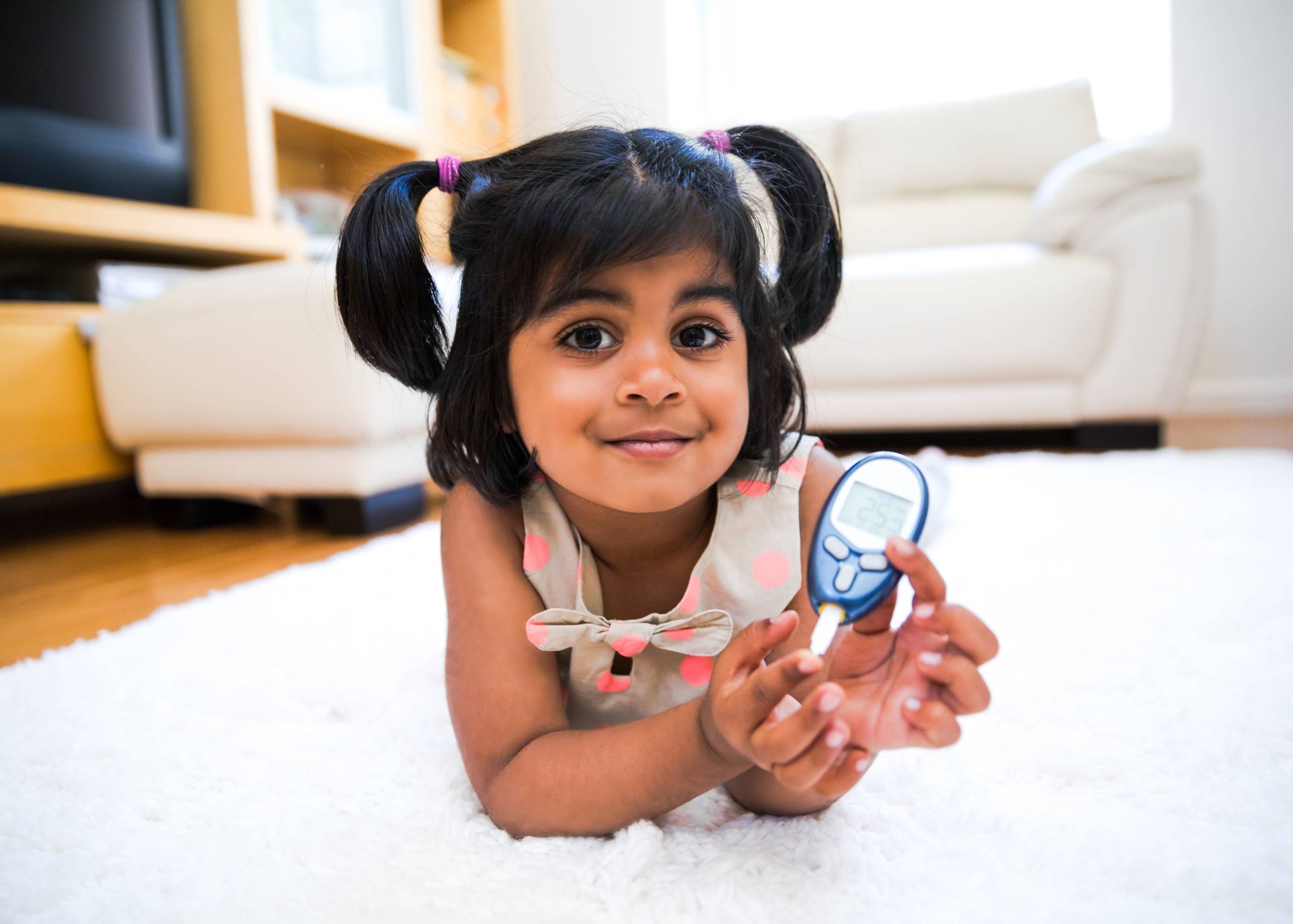
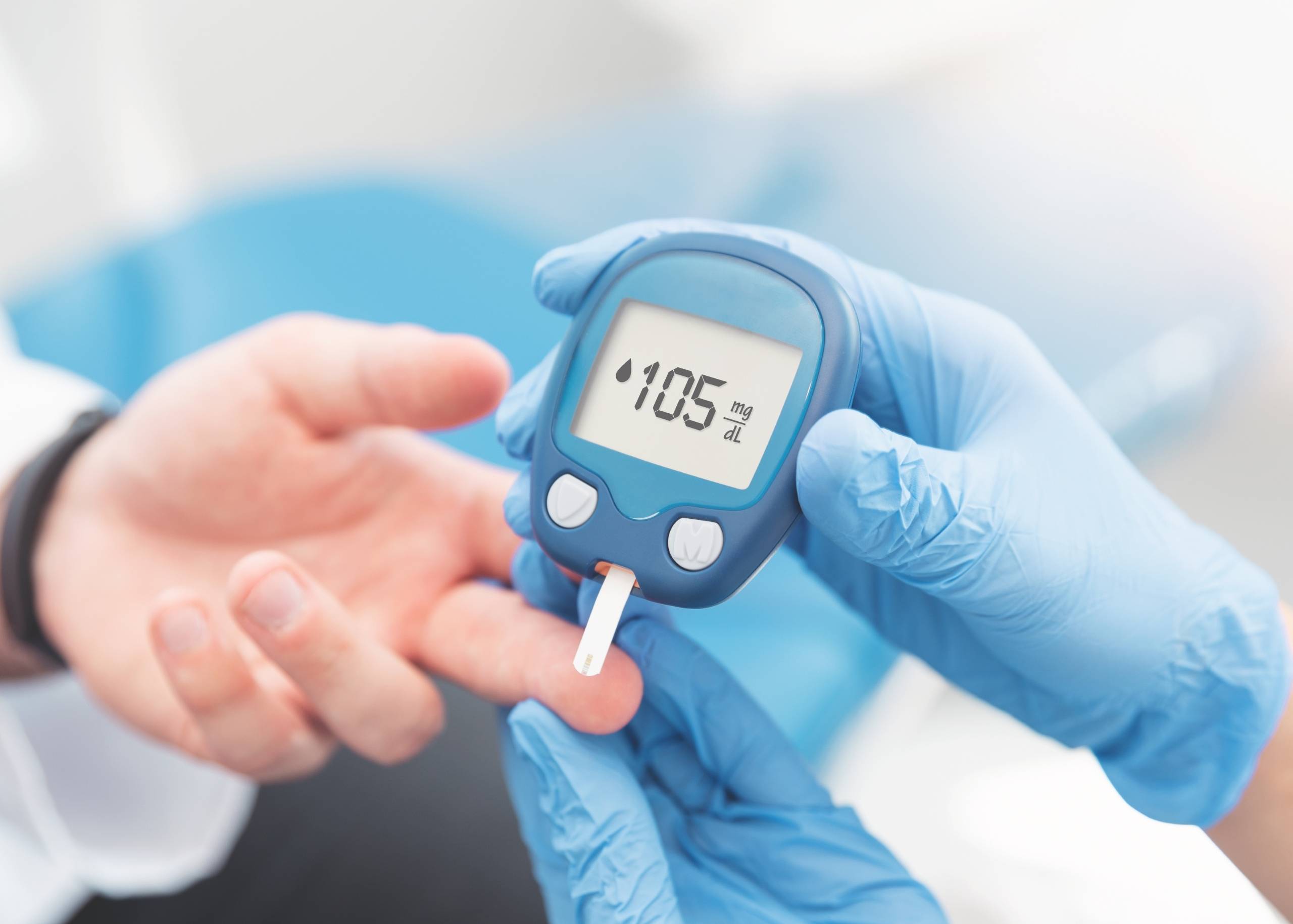
Diabetes is a serious, life-threatening illness that affects millions of people worldwide. It’s important to protect yourself against it by staying healthy. Here are nine tips for protecting yourself against diabetes: 

Know the Warning Signs 

The first step to protecting yourself against diabetes is knowing the warning signs. It’s important to understand what symptoms you should be on the lookout for so that you can catch any problems early and get treatment before they become too serious. The symptoms include: 

  • Excessive thirst 
  • Frequent urination 
  • Increased hunger 
  • Blurred vision 

Get Screened Early and Often  

It is a serious disease, and early diagnosis can help you control your health. If you’re at risk for developing diabetes, get screened early and often. 

The first step in preventing the condition is getting regularly screened for the disease. The American Diabetes Association recommends that adults between the ages of 45 and 65 get tested at least every three years, while adults older than 65 should be tested annually. 

If you have symptoms of diabetes, such as frequent urination, increased thirst, or unexplained weight loss, talk to your doctor about additional testing options. 

Control Your Blood Pressure, Cholesterol, and Weight 

High blood pressure, high cholesterol levels, and obesity are all risk factors for diabetes. As such, they should be monitored closely—especially if they run in your family.  

If you have any of these risk factors, make sure to see your doctor regularly for check-ups.  

This will help ensure that your blood pressure, cholesterol levels, and weight stay within healthy ranges to reduce your chances of developing diabetes later on down the line. 

Be Active 

Exercise is one of the best ways to reduce your risk of developing diabetes. The more active you are, the lower your risk of developing diabetes. 

Start by adding more activity into your daily routine whenever possible, such as taking the stairs instead of the elevator or walking to the store instead of driving. Gradually increase your activity level until you get at least 150 minutes (2 hours and 30 minutes) of moderate physical activity per week. 

Exercise can also help you manage blood glucose levels if you have diabetes by lowering blood sugar levels after eating, improving insulin sensitivity, and reducing insulin resistance. 

Make Healthy Food Choices  

Eating healthy foods is one of the best ways to protect yourself. Here are some tips for making healthy food choices: 

  • Eat a variety of fruits and vegetables. 
  • Choose whole grains instead of refined grains. 
  • Limit added sugars and sodium (salt). 
  • Eat less than six ounces of red meat per week, and avoid processed meats completely. 

Get Plenty of Sleep 

According to a study by the American Academy of Sleep Medicine, people who sleep less than six hours per night are more likely to develop pre-diabetes or type 2 diabetes. And if you already have diabetes, getting enough sleep can help you manage it better. 

The reason is that sleep deprivation causes your body to produce more cortisol and insulin, which can lead to insulin resistance and cause high blood sugar levels. When you get enough sleep, your body can produce more insulin, lowering blood sugar levels and helping protect against diabetes. 

Stay Hydrated 

One of the first tips to help prevent it is to stay hydrated. The kidneys play an important role in regulating glucose metabolism, and water consumption help with their function. When you’re dehydrated, your body doesn’t function as well because it’s unable to process blood sugar properly. Drinking eight glasses of water daily is important for overall health, but it’s especially beneficial for diabetics. 

Quit Smoking and Alcohol 

In the fight against diabetes, smoking and alcohol are two of the biggest enemies you can face. 

According to the Centers for Disease Control and Prevention (CDC), alcohol consumption is a risk factor for the condition. The more you drink, the higher your risk. 

In addition, smoking increases your risk for type 2 diabetes as well as other health problems. It damages blood vessels, reduces circulation, and damages organs like your liver and heart. This damage can lead to high blood pressure and increased levels of bad cholesterol in your body. 

Discuss Your Risks with Your Doctor 

If you have a family history of diabetes, you may be at risk for developing the disease. Your doctor can help you determine whether you are at risk and how to prevent it. The best way to protect yourself against it is to consult your doctor to discuss your risks and get regular checkups to protect yourself against diabetes. 

Diabetes is a common condition, and it’s important to know how to protect yourself. LLH Hospital, Abu Dhabi is a leading diabetes care and treatment provider in the UAE. Our board-certified physicians are highly trained and experienced in the field, and we offer a full range of services for patients with diabetes.  Our services include: 

  • Diagnosis and treatment of diabetes, including insulin pumps 
  • Chronic disease management 
  • Complications management and prevention 

We also offer a comprehensive education program to help you learn how to manage the disease. 

Our Experts

See More
Humaira Iqbal
Humaira Iqbal
Asim Mannan
Zakia Naz
Louie Gray
Akmar Jebin Valiya Parambath
Sapna Kumari Kantesh
Humaira Iqbal
Asim Mannan
Zakia Naz
Louie Gray
Akmar Jebin Valiya Parambath
Sapna Kumari Kantesh
Harminder Singh
Shehnas Puthiyaveettil Abu
Akhila Anand Paga
Sunil Abdul Salim
Parvez Mohammad Zarif
Niket Pathak 
Niket Pathak 
Kasfia Fatima
Muhammad Jaseem Ali
Muhseena Pallickal 
Nandini Balakrishnan
Prachi Bhattarai
Niket Pathak 
Kasfia Fatima
Muhammad Jaseem Ali
Muhseena Pallickal 
Nandini Balakrishnan
Prachi Bhattarai
Jyothsnadevi
Suchitra N
Sajjad Khan
Nilofer Samed
Arif V P
Jayesh Narayanan
Fathima Nubla
Jayesh Narayanan
Fathima Nubla
Rasifa Safar
Suresh Rajmohan
Sinan APK
Jayesh Narayanan
Fathima Nubla
Rasifa Safar
Suresh Rajmohan
Sinan APK
Poornima Raj Chandrasegharan
Mohammed Asharaf 

Stroke: Know the Warning Signs

Stroke: Know the Warning Signs

A stroke is a sudden loss of brain function. It’s caused by the interruption of blood flow to the brain, and it can be fatal if not treated quickly.

Symptoms of Stroke

Stroke symptoms are often difficult to identify, so it’s important to know the signs and symptoms so you can get help immediately. The following are common stroke symptoms: 

  • A sudden, severe headache that comes on without any other symptoms (such as nausea) 
  • Weakness or numbness in one side of the body 
  • Confusion or trouble speaking clearly, including slurred speech 
  • Dizziness or loss of balance 
  • Double vision (or blurry vision) 

What are the Types of Stroke?

Ischemic Stroke Occurs when a blood clot blocks an artery that sends blood to the brain. The arteries become narrowed from plaques or narrowed arteries damaged by the hardening of the arteries (atherosclerosis). 

Hemorrhagic Stroke occurs when a weakened blood vessel in your brain leaks or ruptures. This can be caused by high blood pressure or bleeding disorders like hemophilia.

How is Stroke Treated?

The first thing doctors will do is perform a CT scan or MRI to determine what kind of stroke you’re having and where it occurred in your brain. That way, they can determine which area of your brain needs immediate treatment and which parts are safe for other doctors to focus on later.

Next, doctors will try to determine if there’s an area of damage that can be treated immediately with surgery or other invasive procedures. They’ll also determine whether any of these treatments are appropriate for you based on your age and overall health status.

What Does the Recovery Involve?

Stroke recovery is a process. It is not a single event but rather a series of steps that help you regain your quality of life and independence. 

Physical therapy helps improve mobility and strength by restoring movement patterns lost due to stroke damage. It helps people regain control over their muscles, improving their ability to perform everyday tasks like walking or reaching high. Physical therapists also provide guidance on safely using assistive devices like wheelchairs or canes so they don’t cause further injury or pain.

Occupational therapy helps people relearn skills needed for daily living, such as cooking meals or cleaning the house; it also focuses on improving dexterity in the use of objects like pens or brushes so they feel comfortable performing tasks independently again without assistance from someone else around them all day long every single day every week every month every year.

How can They be Prevented?

There are many factors that can contribute to the development of stroke. Some are controllable, like hypertension and diabetes; some are not, like genetics or gender. Regardless of the cause, it is possible to lower your risk for stroke by making small lifestyle changes incorporating exercise and healthy eating.

Exercise has been shown to reduce blood pressure and improve circulation in the body. In addition to these benefits, exercise can help reduce stress levels by releasing endorphins in the brain. This helps keep your heart healthy and strong. Eating right is also important!

Eating plenty of fruits and vegetables will help you get all the necessary vitamins and minerals to keep your body running smoothly.

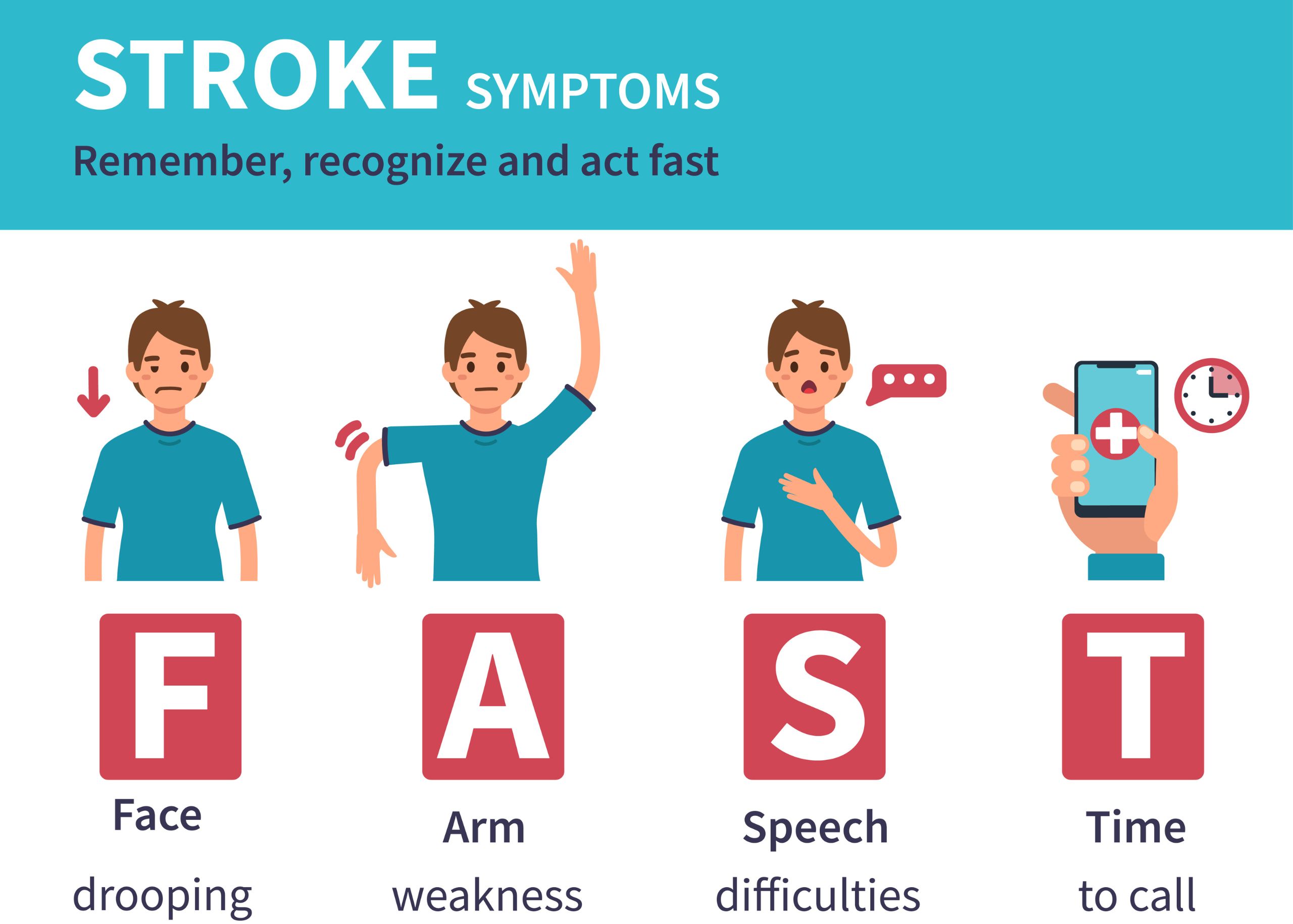
When it Comes to Stroke B.E.F.A.S.T?

Stroke B.E.F.A.S.T., which stands for Breathing, Eyes, Face, Arm, and Speech—are all signs that someone may be having a stroke. If someone shows signs of these things after having a sudden headache or weakness in their face or limb, call 999 immediately and get to the hospital as soon as possible so they can take care of whatever’s going on with your body before serious damage is done!

The Neurology and Neurosurgery department at LLH Hospital is dedicated to providing comprehensive stroke care. Our board-certified neurologists and neurosurgeons specialize in the latest surgical techniques to treat strokes, including minimally-invasive procedures that reduce recovery time and allow patients to return home sooner. We also offer an array of non-surgical treatments which helps prevent blood clots from traveling to the brain. Our primary goal is to minimize the impact of strokes by providing our patients with quality care and excellent results.

Our Experts

See More
Midhun Mohan
Bobby Baby Panikulam
Ravi Kumar
Darakhshan Naheed 
Jessline Joseph
Darakhshan Naheed

Flu Vaccine Shot for Children

What is the flu?

Flu, also known as the influenza virus, is a contagious respiratory illness that affects your nose, throat, and lungs. You can get it from other people, who may not know they have it for up to two days after they become sick. The flu spreads quickly from person to person through droplets released when people cough or sneeze. You can also get the flu by touching a surface or object contaminated with the virus.

The flu often causes fever, chills, and body aches. You might also have a headache, sore throat, and runny or stuffy nose. In some cases, you could have vomiting and diarrhea as well. Some people may have mild illness with these symptoms alone; others may develop pneumonia—a serious flu complication that requires hospitalization.

The best way to protect yourself against the flu is by getting vaccinated each year before the start of flu season in October/November.

What are the symptoms of the flu?

The symptoms of flu include:

  • Mild to high fever (usually around 100 degrees Fahrenheit)
  • Chills/sweats
  • Body aches, headache, or sore throat
  • Sore muscles
  • Coughing and sneezing

Who is at high risk for flu complications?

Young children, pregnant women, the elderly, and those with chronic conditions are at higher risk for flu complications. Flu complications can include pneumonia, bacterial infections of the airways, ear infections, sinus infections, dehydration from lack of fluids, or worsening of underlying medical conditions such as asthma.

What’s the difference between flu and cold?

Flu and a cold are viral illnesses that can make you feel pretty miserable. But there are some significant differences between the two—the main one being that flu symptoms tend to be more severe than cold symptoms.

Flu is caused by an influenza virus, which affects your respiratory system. On the other hand, a cold is caused by a different type of virus called rhinovirus (or “common cold”). 

Both symptoms can include fever, cough, runny nose, aches and pains, and headaches, but the severity differs between flu and colds.

Can a child get sick with the flu again this season?

Yes, a child can get sick with the flu again this season.

The flu virus is different every year, and it changes yearly. Even if you’ve gotten the flu, there’s no way to know if your child will get it again. But there are some things you can do to protect them and yourself from getting sick again.

How can I protect my child from getting the flu?

You can protect your kid from the flu by getting them vaccinated. Once the vaccination is done, you can help them stay healthy by:

  • Keeping them away from people who have the flu or a fever
  • Ensure they don’t get close to anyone sick with a cough or sore throat.
  • Keeping their hands clean by washing them often with soap and water
  • Avoiding touching their face, especially when they’re in public places like school or work
  • Make sure they get enough sleep at night so they feel well rested during the day (and also make sure they aren’t sleeping too much during daylight hours)

What should I know about the pediatric flu vaccine?

The pediatric flu vaccine protects against four strains of influenza: two strains of influenza A (H1N1) and two strains of influenza B. It’s important to note that these viruses change yearly, so there will be different types of viruses in circulation each year.

The best way to prevent infection by any type of flu virus is to get vaccinated yearly. The pediatric flu vaccine is highly recommended for everyone. Still, it’s especially important for young children because this age group has not yet developed immunity and is particularly vulnerable to influenza complications such as pneumonia (which can be fatal).

Is the flu vaccine safe and effective?

Yes, the flu vaccine is safe and effective. Doctors recommend that everyone over six months gets a flu vaccination each year, and doing so can be life-saving, especially for people with chronic illnesses. People considered at high risk for complications from the flu should get their flu shot as soon as possible.

How is the pediatric flu vaccine given?

The pediatric flu vaccine is shot in the arm or thigh. The doctor will inject the shot into your child’s upper arm or thigh muscle, usually with an automatic needle. The injection does not hurt but may cause mild soreness for one or two days afterward.

Is it safe for my child to be around others after they get the pediatric flu vaccine?

Yes, it is safe for your child to be around others after they get the pediatric flu vaccine. There is no risk of spreading influenza from someone who has received a vaccine because the virus they are vaccinated against cannot be spread.

What age group of children can get the flu shot?

The flu shot is recommended for children from 6 months to 18 years old.

Our Experts

See More
Asim Mannan
Zakia Naz
Louie Gray
Akmar Jebin Valiya Parambath
Sapna Kumari Kantesh
Asim Mannan
Zakia Naz
Louie Gray
Akmar Jebin Valiya Parambath
Sapna Kumari Kantesh
Humaira Iqbal
Asim Mannan
Zakia Naz
Louie Gray
Akmar Jebin Valiya Parambath
Sapna Kumari Kantesh
Humaira Iqbal
Prasanna K. Shetty
Jini Narayanan
Sulaikha.P.P
Pawan Mutalik
Haseena Jasmine Laila Beevi
Kasfia Fatima
Muhammad Jaseem Ali
Muhseena Pallickal 
Nandini Balakrishnan
Prachi Bhattarai
Kasfia Fatima
Muhammad Jaseem Ali
Muhseena Pallickal 
Nandini Balakrishnan
Prachi Bhattarai
Niket Pathak 
Kasfia Fatima
Muhammad Jaseem Ali
Muhseena Pallickal 
Nandini Balakrishnan
Prachi Bhattarai
Niket Pathak 
Divya C K
Fahad Farouk
Naveen Raju
Sridevi Patra
Rasifa Safar
Suresh Rajmohan
Sinan APK
Rasifa Safar
Suresh Rajmohan
Sinan APK
Jayesh Narayanan
Fathima Nubla
Rasifa Safar
Suresh Rajmohan
Sinan APK
Jayesh Narayanan
Fathima Nubla
Afeed Ibrahim
Babitha S
Jayashree KV