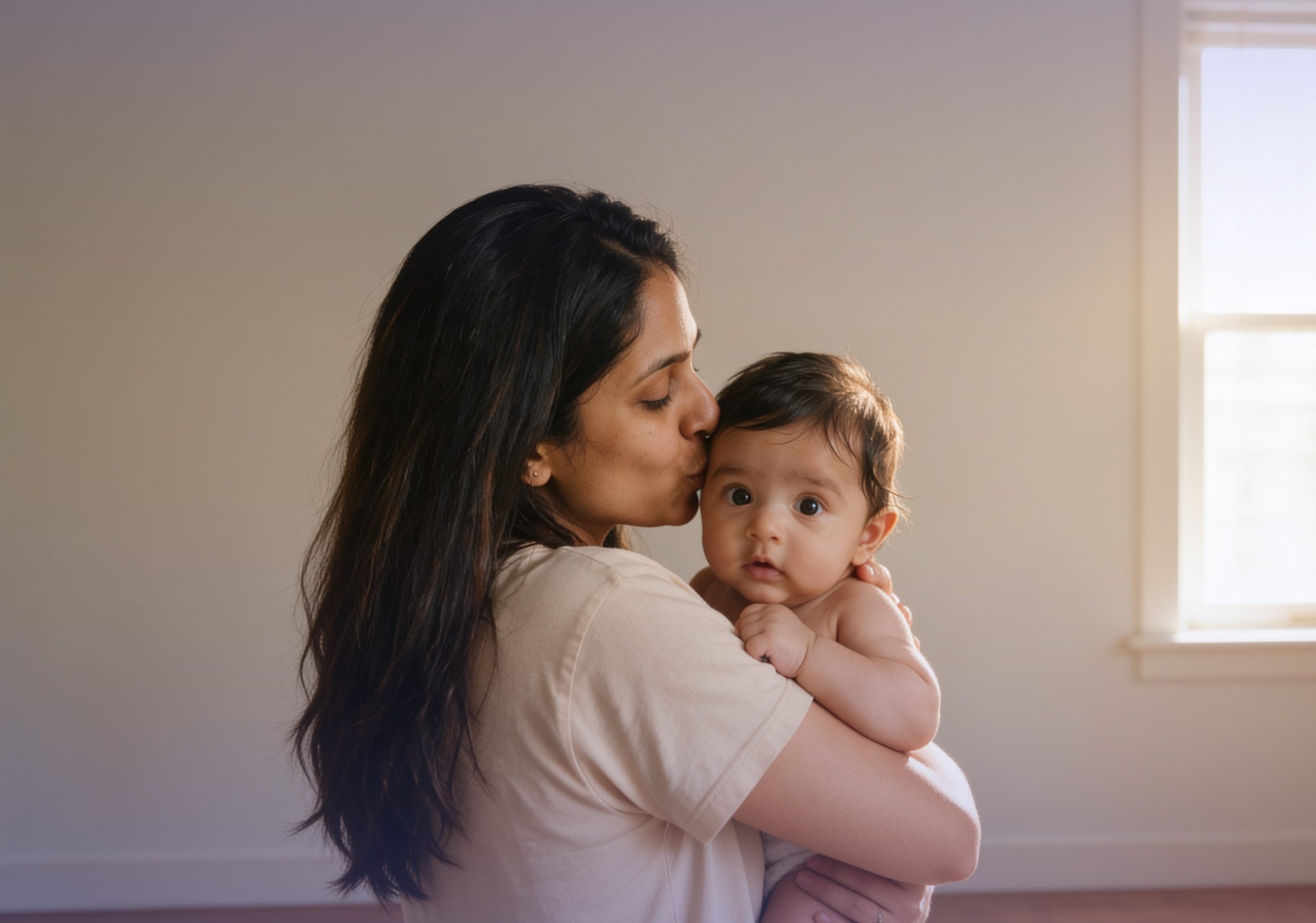
Sun Safety for Little Ones: Preventing Heat Stroke in UAE Weather

Living in the UAE means enjoying sunshine almost year-round—but for children, especially during peak summer months, extreme heat can pose serious health risks. With temperatures often soaring above 40°C, protecting little ones from heat-related illnesses becomes essential. Pediatric doctors emphasize that children are more vulnerable to the effects of heat, making sun safety a top priority for every parent.

Heat Stroke in Children: Why Are They More at Risk?

Children’s bodies are not as efficient as adults when it comes to regulating temperature. They sweat less, which makes it harder for their bodies to cool down quickly. Additionally, kids are often too engaged in play to notice early signs of overheating or dehydration. This is why pediatricians stress the importance of proactive care rather than reactive treatment during hot weather.

Heat exhaustion and heat stroke are among the most serious concerns. While heat exhaustion can cause symptoms like fatigue, dizziness, and nausea, heat stroke is a medical emergency that requires immediate attention. Understanding how to prevent these conditions is key to keeping children safe.

Recognizing the Warning Signs

Early identification can prevent complications. Parents should watch for:

  • Excessive sweating or very dry skin
  • Unusual tiredness or irritability
  • Headache or dizziness
  • Nausea or vomiting
  • Rapid heartbeat
  • High body temperature

If a child shows signs such as confusion, fainting, or stops sweating despite the heat, it could indicate heat stroke—seek medical help immediately.

1. Hydration: The First Line of Defense

Pediatricians consistently highlight hydration as the most effective way to prevent heat-related illnesses. Children should be encouraged to drink water frequently, even if they don’t feel thirsty.

  • Offer water every 20–30 minutes during outdoor play
  • Avoid sugary or caffeinated drinks, as they can increase dehydration
  • Include water-rich foods like watermelon, cucumber, and oranges

For younger children, parents should closely monitor fluid intake, as they may not communicate thirst clearly.

2. Smart Sun Exposure

Timing is crucial when it comes to outdoor activities. The sun is strongest between 10 AM and 4 PM, making it safer for children to play early in the morning or after sunset.

When stepping outdoors:

  • Dress children in lightweight, loose-fitting, and light-colored clothes
  • Use a wide-brimmed hat to protect the face and neck
  • Apply broad-spectrum sunscreen (SPF 30 or higher) and reapply every two hours
  • Encourage play in shaded areas whenever possible

These simple precautions significantly reduce the risk of sunburn and overheating.

3. Choosing Safe Summer Activities

During UAE summers, indoor activities are often the safest option. Pediatric experts recommend balancing screen time with engaging indoor play such as arts and crafts, reading, or interactive games.

If outdoor play is necessary:

  • Keep sessions short and supervised
  • Ensure access to shade and hydration
  • Plan water-based activities like swimming under supervision

Limiting high-intensity physical activity during extreme heat can prevent exhaustion and maintain energy levels.

Importance of Proper Nutrition

A child’s diet also plays a role in coping with heat. Light, nutritious meals are easier to digest and help maintain energy.

  • Include fresh fruits and vegetables
  • Avoid heavy, oily, or overly spicy foods
  • Provide small, frequent meals instead of large portions

A well-balanced diet supports the body’s natural ability to manage heat stress.

  • Creating a Cool Environment:

At home, maintaining a cool indoor environment is equally important. Keep rooms well-ventilated and air-conditioned. Dress children in breathable fabrics even indoors. Ensure they get adequate rest, as fatigue can worsen heat sensitivity.

For infants and toddlers, never leave them in parked cars—even for a few minutes—as temperatures can rise dangerously fast.

When to Consult a Pediatrician?

If your child experiences repeated dehydration, unusual fatigue, or any signs of heat-related illness, it is important to consult a pediatric doctor. Early medical guidance can prevent complications and provide personalized advice based on your child’s health needs.

A Safer Summer for Little Ones

The UAE summer can be challenging, but with the right precautions, children can stay safe and healthy. Sun safety is not just about avoiding the heat—it’s about building habits that protect and nurture a child’s wellbeing.

By focusing on hydration, smart sun exposure, proper nutrition, and regular monitoring, parents can help their little ones enjoy the season without unnecessary risks. Heat-related illness can escalate quickly in children, so it always helps to have expert support close by. The experienced pediatricians at LLH Hospital Abu Dhabi and Al Ain, along with the pediatric teams across LLH Medical Centers, are available to guide families through every stage of childhood health—from routine check-ups to urgent summer concerns like dehydration and heat exhaustion.

If your child shows signs of heat-related illness or you simply want personalized guidance on keeping them safe this summer, book an appointment with a pediatrician at LLH Hospital Abu Dhabi, LLH Hospital Al Ain, or your nearest LLH Medical Center. With the right knowledge and trusted medical support, every family can turn a hot summer into a safe and happy one.

Frequently Asked Questions (FAQs)

1. What temperature is considered dangerous for children in the UAE?

Temperatures above 40°C, common during UAE summers, can put children at risk of dehydration, heat exhaustion, and heat stroke. Pediatricians recommend limiting outdoor activity between 10 AM and 4 PM, when the sun is strongest.

2. How can I tell if my child has heat exhaustion or heat stroke?

Heat exhaustion typically causes fatigue, dizziness, and nausea, while heat stroke is more severe and may involve confusion, fainting, or a sudden stop in sweating despite the heat. Heat stroke is a medical emergency and needs immediate attention.

3. How much water should my child drink during hot weather?

Children should be offered water every 20 to 30 minutes during outdoor play, even if they don’t feel thirsty. Water-rich foods such as watermelon, cucumber, and oranges can also help maintain hydration, while sugary or caffeinated drinks should be avoided.

4. What is the safest time for kids to play outdoors in summer?

Early mornings or after sunset are safest, since the sun is strongest between 10 AM and 4 PM. If outdoor play during this window is unavoidable, keep sessions short, supervised, and shaded, with easy access to water.

5. Can heat stroke in children be prevented?

Yes. Consistent hydration, lightweight clothing, sunscreen, shaded play, and avoiding peak-sun hours significantly lower the risk. Never leave infants or toddlers in parked cars, even briefly, as temperatures can rise dangerously fast.

6. Is sunscreen really necessary for children in the UAE?

Yes, sunscreen is essential given the UAE’s intense year-round sun. Use a broad-spectrum sunscreen with SPF 30 or higher, reapply every two hours, and pair it with a wide-brimmed hat and lightweight, light-colored clothing for extra protection.

7. When should I take my child to a pediatrician for heat-related symptoms?

Consult a pediatrician if your child shows repeated dehydration, unusual fatigue, persistent vomiting, or any signs of heat stroke such as confusion or fainting. The pediatric teams at LLH Hospital Abu Dhabi, LLH Hospital Al Ain, and LLH Medical Centers can provide prompt evaluation and personalized care.

Our Experts

See More
Prasanna K. Shetty
Jini Narayanan
Sulaikha.P.P
Pawan Mutalik
Haseena Jasmine Laila Beevi
Divya C K
Fahad Farouk
Naveen Raju
Sridevi Patra
Afeed Ibrahim
Babitha S
Jayashree KV 
Bela Sachdeva
Hena Zafar 

Understanding PMOS: A Modern Approach to Hormonal Imbalance

Hormonal health plays a critical role in a woman’s overall wellbeing, influencing everything from menstrual cycles to mood, metabolism, and fertility. In recent conversations around women’s health, the term PMOS (Polycystic Metabolic/Ovarian Syndrome) is increasingly being used to represent a more comprehensive understanding of hormonal imbalance—moving beyond the traditional labels of PCOS or PCOD.

This modern perspective focuses not just on the ovaries, but on the entire metabolic and hormonal system, offering a more holistic approach to diagnosis and management.

What is PMOS?

PMOS is considered a broader, evolving concept that highlights the connection between hormonal imbalance and metabolic health. While earlier terms like PCOS (Polycystic Ovary Syndrome) focused primarily on ovarian symptoms such as cysts and irregular periods, PMOS shifts attention to underlying factors like insulin resistance, weight changes, and lifestyle influences.

This refined understanding helps doctors look beyond symptoms and address the root cause of the condition—leading to more personalized and effective treatment plans.

Common Signs and Symptoms of PMOS

PMOS may present differently in every woman, but some common signs include:

  • Irregular or missed periods
  • Excessive hair growth (face or body)
  • Acne or oily skin
  • Unexplained weight gain or difficulty losing weight
  • Hair thinning or hair fall
  • Mood swings and fatigue

These symptoms often develop gradually and may be overlooked initially. Early recognition and medical consultation are key to managing the condition effectively.

The Role of Hormones and Metabolism

One of the key differences in the PMOS approach is its focus on metabolic health, especially insulin resistance. Insulin is a hormone that regulates blood sugar, and when the body becomes resistant to it, it can trigger a chain reaction of hormonal imbalances.

This imbalance may lead to increased levels of androgens (male hormones), which can disrupt ovulation and cause many of the symptoms associated with PMOS.

By addressing metabolic factors alongside reproductive health, doctors can create more comprehensive treatment strategies that tackle the condition at its root.

PCOD vs PCOS vs PMOS — Why the Shift in Diagnosis Matters

The shift from PCOD/PCOS to PMOS reflects a growing awareness that hormonal imbalance is not limited to one organ. It is influenced by:

  • Diet and nutrition
  • Physical activity
  • Stress levels
  • Sleep patterns
  • Genetic factors

This broader approach allows healthcare providers to focus on long-term health outcomes, rather than short-term symptom relief. It also empowers women to take an active role in managing their health through lifestyle changes.

How to manage PMOS ?

Managing PMOS involves a combination of medical care and lifestyle modification. Pediatricians (for adolescents) and gynecologists often emphasize early intervention, especially for young girls showing initial symptoms.

1. Balanced Nutrition

A diet rich in whole foods, fiber, lean proteins, and healthy fats can help regulate insulin levels and support hormonal balance. Reducing processed foods and sugary drinks is equally important.

2. Regular Physical Activity

Exercise improves insulin sensitivity and helps maintain a healthy weight. Even simple activities like walking, yoga, or cycling can make a noticeable difference.

3. Stress Management

Chronic stress can worsen hormonal imbalance. Practices like meditation, deep breathing, and adequate rest play a crucial role in overall wellbeing.

4. Medical Guidance

Doctors may recommend treatments based on individual needs, including medications or supportive therapies to regulate cycles and manage symptoms.

Support for Adolescents

PMOS is not just an adult concern—it often begins in teenage years. Irregular periods soon after menarche (first menstruation) are common, but persistent issues should not be ignored.

Early diagnosis and guidance from pediatric and adolescent health specialists can help young girls develop healthy habits early, preventing complications later in life. Educating teens about menstrual health also reduces anxiety and builds confidence.

When to Seek Medical Help?

It is important to consult a doctor if you notice:

  • Periods absent for more than 2–3 months
  • Severe acne or sudden weight gain
  • Excessive hair growth
  • Difficulty managing symptoms despite lifestyle changes

Timely intervention can prevent long-term complications such as diabetes, infertility, or cardiovascular concerns.

FAQs

1. What is PMOS and how is it different from PCOS or PCOD?

PMOS (Polycystic Metabolic/Ovarian Syndrome) is a broader, more evolved understanding of hormonal imbalance in women. While PCOS focuses primarily on ovarian symptoms like cysts and irregular periods, PMOS goes a step further by addressing the connection between hormonal and metabolic health — including factors like insulin resistance, weight changes, and lifestyle influences. This makes diagnosis and treatment more personalized and comprehensive.

2. What are the most common symptoms of PMOS?

Common symptoms of PMOS include irregular or missed periods, excessive hair growth on the face or body, acne or oily skin, unexplained weight gain, hair thinning, mood swings, and persistent fatigue. Since these symptoms develop gradually, early medical consultation is key to effective management.

3. What causes PMOS?

PMOS is primarily influenced by insulin resistance — a condition where the body does not respond properly to insulin, triggering a chain of hormonal imbalances. This can lead to elevated androgen (male hormone) levels, disrupting ovulation and causing many of the associated symptoms. Lifestyle factors such as poor diet, physical inactivity, chronic stress, disrupted sleep, and genetic predisposition also play a significant role.

4. Can teenagers and young girls be affected by PMOS?

Yes. PMOS often begins during the teenage years. Irregular periods soon after the first menstruation can be an early indicator. Early diagnosis and guidance from adolescent health and gynecology specialists at LLH Hospital help young girls build healthy habits early, reducing the risk of complications later in life.

5. How is PMOS managed and treated?

PMOS management involves a combination of medical care and lifestyle changes, including a balanced diet rich in whole foods and fiber, regular physical activity such as walking or yoga, stress management through meditation and adequate rest, and personalized medical guidance. Our experienced gynecologists at LLH Hospital create individualized treatment plans targeting the root cause rather than just the symptoms.

6. When should I see a doctor for PMOS?

You should consult a doctor if your periods have been absent for more than 2–3 months, you are experiencing sudden weight gain or severe acne, you notice excessive hair growth, or your symptoms are not improving despite lifestyle changes. Early intervention helps prevent long-term complications such as diabetes, infertility, or cardiovascular concerns.

7. Is PMOS a permanent condition?

PMOS is a manageable condition. With the right combination of medical support, dietary changes, regular exercise, and stress management, many women experience significant improvement in their symptoms and overall hormonal health. Our expert gynecologists at LLH Hospital guide you through every step of your wellness journey.

8. Why should I choose LLH Hospital Abu Dhabi for PMOS consultation?

LLH Hospital’s Obstetrics & Gynecology Department offers specialized, patient-centered care for women’s hormonal and reproductive health. Our experienced gynecologists take a holistic, modern approach to conditions like PMOS — addressing both metabolic and hormonal factors for long-term wellness, not just symptom relief.

Take Control of Your Hormonal Health — You Don’t Have to Navigate It Alone

PMOS is more than just irregular periods or hormonal fluctuations — it is your body signalling that it needs comprehensive, personalised care. Understanding the connection between your hormones, metabolism, and lifestyle is the first and most important step toward lasting wellness.

At LLH Hospital Abu Dhabi, our Obstetrics & Gynecology Department is dedicated to providing women with expert, compassionate, and modern healthcare. Whether you are a young girl experiencing your first menstrual irregularities or a woman looking for long-term hormonal balance, our specialists are here to guide you with evidence-based, holistic care tailored specifically to you.

Don’t wait for symptoms to worsen. Book your appointment with our expert Gynecologists LLH Hospital Abu Dhabi today.

🌐 Visit: www.llhhospital.com
📍 Location: LLH Hospital, Abu Dhabi, UAE

Your health. Your balance. Your life — start the journey today.

Our Experts

See More
Sajira Bhasi
Rushin Kadeeja Mather
Zulfiya Shabnam
Alkeen Anwar
Alka Batar

Ritu Kalpam: A Holistic Ayurvedic Approach to Menstrual Wellness

Menstrual health is a vital part of every woman’s wellbeing, yet it is often accompanied by discomfort, hormonal imbalance, and irregular cycles—especially during adolescence. Ayurveda, the ancient Indian system of medicine, offers natural and holistic solutions to support the body during this phase. One such specialized formulation is Ritu Kalpam, designed to nurture and regulate the menstrual cycle while promoting overall reproductive health.

Understanding Menstrual Health the Ayurvedic Way

In Ayurveda, the menstrual cycle is referred to as Rutuchakra, a natural rhythm governed by the body’s internal balance of doshas—Vata, Pitta, and Kapha. When these energies are in harmony, the cycle remains regular and symptom-free. However, modern lifestyle factors such as stress, poor diet, lack of sleep, and hormonal disruptions can disturb this equilibrium, leading to issues like irregular periods, painful cramps, and conditions such as PCOS (Polycystic Ovarian Syndrome) and PMOS.

Ritu Kalpam works by addressing these imbalances at the root level. Instead of offering temporary relief, it aligns the body’s natural processes, helping restore balance and long-term wellness.

Hormonal Harmony Through Natural Healing

One of the primary benefits of Ritu Kalpam is its ability to support hormonal balance naturally. Unlike synthetic treatments, which may cause side effects over time, Ayurvedic formulations use plant-based ingredients that gently influence the endocrine system.

For young girls experiencing their first periods, hormonal fluctuations can often lead to irregular cycles and mood changes. Ritu Kalpam helps stabilize these fluctuations, encouraging a smoother transition into a regular menstrual pattern. It also plays a supportive role for women dealing with conditions like PCOS and PMOS by promoting better metabolic and hormonal regulation.

Relief from Pain and Discomfort

Menstrual cramps, lower back pain, and bloating are among the most common complaints during periods. These symptoms are often linked to aggravated Vata dosha, which governs movement and pain in the body.

Ritu Kalpam contains herbal ingredients known for their soothing and anti-inflammatory properties, which help relax uterine muscles and improve circulation. This leads to reduced cramping, less bloating, and an overall sense of physical comfort. By addressing the underlying cause rather than masking the pain, it supports more natural and sustainable relief.

Supporting a Healthy and Regular Cycle

Irregular periods can be both physically and emotionally distressing. Factors such as lifestyle changes, stress, and hormonal imbalances often disrupt the menstrual cycle. Ritu Kalpam works to restore regularity by strengthening the reproductive system and improving the body’s natural rhythm.

Its 100% herbal composition ensures that the body is nourished without exposure to harmful chemicals. Over time, consistent use helps establish a predictable and healthy cycle, which is essential for long-term reproductive health.

Gentle Support for First Periods

The onset of menstruation can be a confusing and sometimes uncomfortable experience for young girls. Ritu Kalpam offers gentle support during this crucial phase, helping ease physical discomfort and promoting emotional stability.

By reducing symptoms like cramps and fatigue, it allows young girls to adapt more comfortably to their changing bodies. At the same time, its holistic approach fosters a positive and healthy attitude towards menstrual health from an early age.

A Holistic Wellness Approach

What makes Ritu Kalpam truly unique is its holistic philosophy. Ayurveda does not treat symptoms in isolation—it considers the body, mind, and lifestyle as interconnected. Along with herbal support, maintaining a balanced diet, practicing regular physical activity, and managing stress are equally important.

Incorporating simple habits such as warm meals, adequate hydration, yoga, and sufficient rest can further enhance the benefits of Ritu Kalpam. This combined approach leads to improved overall wellbeing, not just menstrual health.

Safe, Natural, and Effective

Ritu Kalpam is formulated with 100% herbal and safe Ayurvedic ingredients, making it suitable for long-term use under guidance. Its natural composition minimizes the risk of side effects, ensuring a gentle yet effective solution for menstrual concerns.

Unlike quick fixes, this formulation focuses on strengthening the body’s natural ability to heal and regulate itself. Over time, users often experience not only improved menstrual health but also increased energy, reduced stress, and better overall balance.

Embracing a Healthier Cycle

Menstrual health is an essential aspect of a woman’s life, and managing it naturally can lead to lasting benefits. Ritu Kalpam stands as a comprehensive Ayurvedic solution that supports hormonal harmony, eases discomfort, and promotes a regular cycle.

By embracing such holistic care, women and young girls can experience their menstrual journey with greater comfort, confidence, and balance—just as nature intended.

FAQs

1. What is Ritu Kalpam and who is it for?

Ritu Kalpam is a 100% herbal Ayurvedic formulation designed to support menstrual health in women and young girls. It is beneficial for those experiencing irregular periods, painful cramps, hormonal imbalances, PCOS, and PMOS, as well as young girls navigating their first menstrual cycles.

2. How does Ritu Kalpam help with hormonal balance?

Ritu Kalpam uses plant-based Ayurvedic ingredients that gently influence the endocrine system, helping regulate hormonal fluctuations naturally — without the side effects associated with synthetic treatments.

3. Can Ritu Kalpam help with PCOS or PMOS?

Yes. Ritu Kalpam supports better metabolic and hormonal regulation, making it a helpful complementary Ayurvedic support for women managing conditions like PCOS and PMOS. We recommend consulting our Ayurvedic practitioners for a personalized care plan.

4. Is Ritu Kalpam safe for young girls experiencing their first period?

Absolutely. Ritu Kalpam is formulated to be gentle yet effective, offering physical comfort and emotional stability during the early stages of menstruation.

5. How long does it take to see results?

Ayurvedic formulations work at the root level rather than providing quick fixes. Consistent use over time, combined with a balanced diet, proper rest, and stress management, can lead to a more regular and symptom-free cycle.

6. Are there any side effects?

Ritu Kalpam is made with 100% natural, herbal Ayurvedic ingredients, minimizing the risk of side effects. However, it is always advisable to consult an Ayurvedic practitioner before starting any new formulation.

7. Can Ritu Kalpam be used alongside other medications?

We recommend consulting our Vaidyashala specialists before combining it with other medications to ensure a safe and personalized approach to your wellness.

8. What lifestyle changes can enhance the benefits of Ritu Kalpam?

Warm, nourishing meals, adequate hydration, yoga, regular physical activity, and sufficient rest all work in synergy with Ritu Kalpam to support holistic menstrual wellness.

Ready to Embrace a Healthier, More Balanced Cycle?

At Vaidyashala – House of Ayurveda by LLH Hospital, our expert practitioners are here to guide you on your journey to natural menstrual wellness. Whether you’re dealing with irregular periods, painful cramps, or hormonal concerns, Ritu Kalpam offers a time-tested, holistic Ayurvedic solution — just for you.

Book your consultation today and take the first step toward lasting balance and wellbeing.

📞 Call: 0569957765
🌐 www.llhhospital.com/vaidyashala

Our Experts

See More
Mebin
Shibla Masthikund