World Arthritis Day 2026: Understanding Arthritis and Protecting Your Joint Health

Every year on 12 October, World Arthritis Day raises awareness about rheumatic and musculoskeletal diseases (RMDs) and the impact they can have on people’s lives. For 2026, the campaign theme “Achieve Your Dreams” continues to highlight the goals and aspirations of people living with these conditions and the importance of earlier diagnosis, better access to treatment, understanding, inclusion and support.

Living with arthritis or another rheumatic condition can affect it much more than the joints. Pain, fatigue and uncertainty can influence everyday activities, work and family life. However, having arthritis should not mean giving up on the things that matter to you.

What is Arthritis ?

Arthritis is often thought of as a single condition, but joint-related symptoms can occur as part of many different rheumatic and musculoskeletal diseases. These include conditions such as rheumatoid arthritis, psoriatic arthritis, juvenile idiopathic arthritis and gout.

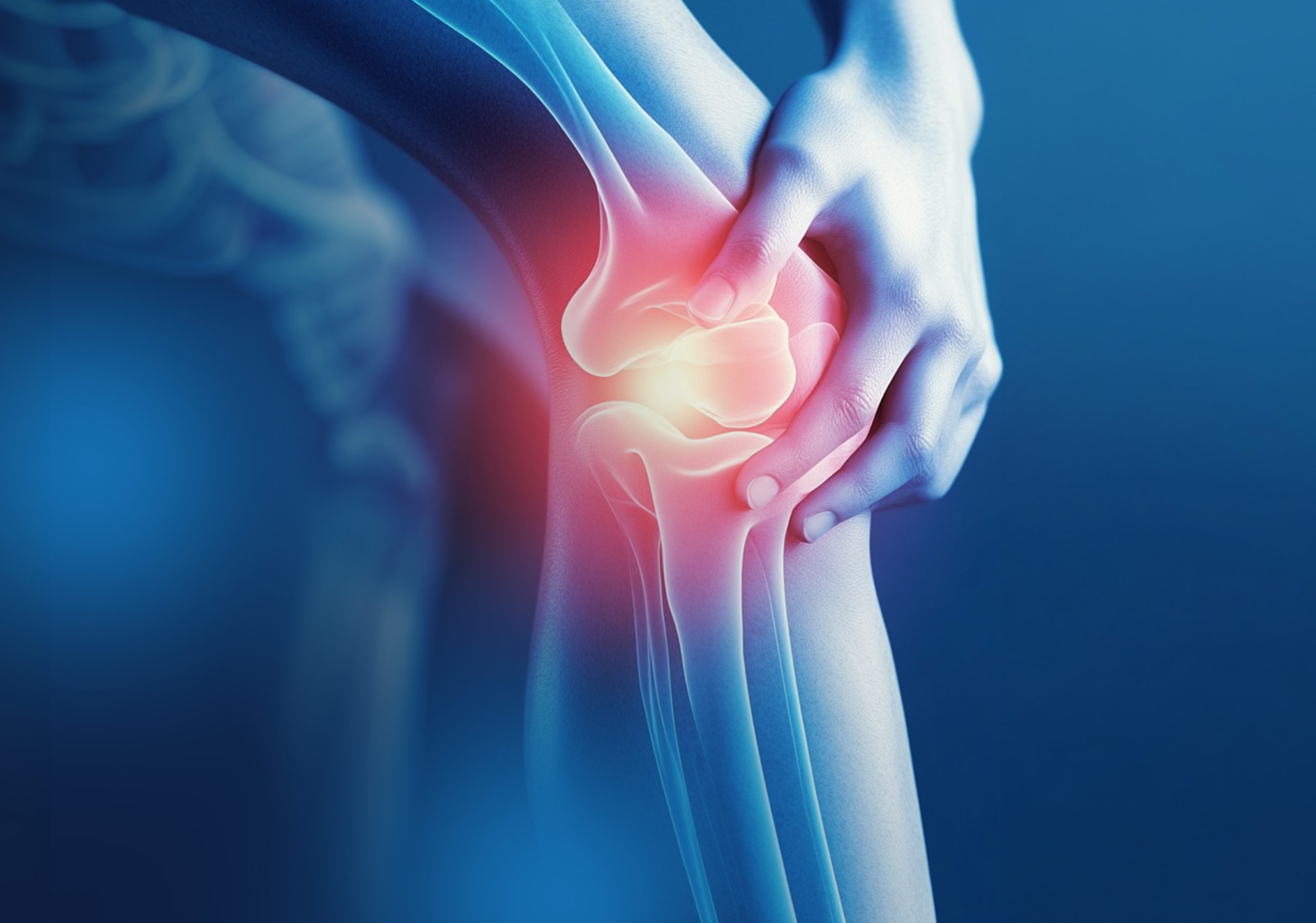
Symptoms vary depending on the underlying condition. Persistent joint pain, swelling, stiffness or difficulty with movement should not simply be ignored, particularly when symptoms begin to interfere with everyday activities.

Why Early Attention Matters?

One of the important messages surrounding World Arthritis Day is the value of greater awareness and earlier diagnosis, improved access to care can help people manage rheumatic and musculoskeletal conditions more effectively and achieve better health outcomes.

Rather than accepting ongoing joint symptoms as simply part of ageing or daily life, speaking with a healthcare professional can help determine the cause and identify an appropriate approach to care.

Supporting Your Joint Health

Along with appropriate medical care, healthy everyday habits can support overall well-being. Depending on your individual health and your healthcare professional’s advice, this may include:

  • Staying physically active and avoiding unnecessary periods of inactivity.
  • Maintaining a healthy lifestyle and body weight.
  • Paying attention to persistence or changing joint symptoms.
  • Following the treatment or rehabilitation plan recommended by your healthcare team.
  • Discussing difficulties with daily activities with your doctor rather than silently adapting to ongoing pain.

Most importantly, arthritis care should be individualized. What works for one person may not be suitable for another, particularly because rheumatic and musculoskeletal diseases include a wide range of different conditions.

Your Condition Does Not Define Your Dreams

The 2026 “Achieve Your Dreams” campaign recognizes that people affected by rheumatic and musculoskeletal diseases continue to have personal goals, hopes and ambitions despite the challenges they may experience. It calls for a future where earlier diagnosis, appropriate treatment, greater understanding and stronger support help people pursue what matters most to them.

This World Arthritis Day, listen to your joints and don’t ignore persistent symptoms. If pain, swelling, stiffness or restricted movement is affecting your everyday activities, consider seeking medical advice.

Your joints may need care, but your dreams don’t need to stop. Take a step towards better joint health today!

Frequently Asked Questions (FAQs)

1. When is World Arthritis Day, and what is the 2026 theme?

World Arthritis Day is observed every year on 12 October. The 2026 campaign theme is “Achieve Your Dreams,” which highlights the goals of people living with rheumatic and musculoskeletal diseases (RMDs) and the importance of earlier diagnosis, better access to treatment, understanding and support.

2. What are the common types of arthritis?

Joint symptoms can occur in many rheumatic and musculoskeletal conditions, including rheumatoid arthritis, psoriatic arthritis, juvenile idiopathic arthritis and gout. Symptoms vary depending on the underlying condition, so a proper evaluation is important.

3. What are the common symptoms of arthritis?

Persistent joint pain, swelling, stiffness or difficulty with movement are common symptoms. Fatigue can also affect people living with rheumatic conditions. These symptoms should not simply be ignored, especially when they interfere with everyday activities.

4. Why is early diagnosis of arthritis important?

Earlier diagnosis and improved access to care can help people manage rheumatic and musculoskeletal conditions more effectively and achieve better health outcomes. Joint symptoms should not be accepted as just a part of ageing.

5. Can I stay active if I have arthritis?

In many cases, staying physically active and avoiding long periods of inactivity can support joint health. The right type and amount of activity depends on your condition, so follow the advice of your healthcare team.

6. When should I see a doctor for joint pain?

Consider seeking medical advice if joint pain, swelling, stiffness or restricted movement is persistent, keeps recurring or affects your daily activities, work or family life.

Book Your Arthritis Consultation at LLH Hospital, Abu Dhabi

Are persistent joint pain, swelling or stiffness affecting your daily life? Don’t wait for symptoms to get worse. Consult Dr. Syeda at LLH Hospital, Abu Dhabi for expert evaluation and personalized care for your joint health.

Dr. Syeda Ayman

Specialist Orthopedic Surgery

Our Experts

See More
Syeda Ayman
Rajan Babu Michael
Ankit Khurana
Vincent Stephen
Sreekanth Reddy Rajoli

World Spine Day 2026: Everyday Habits for a Healthy Spine and When to See a Doctor

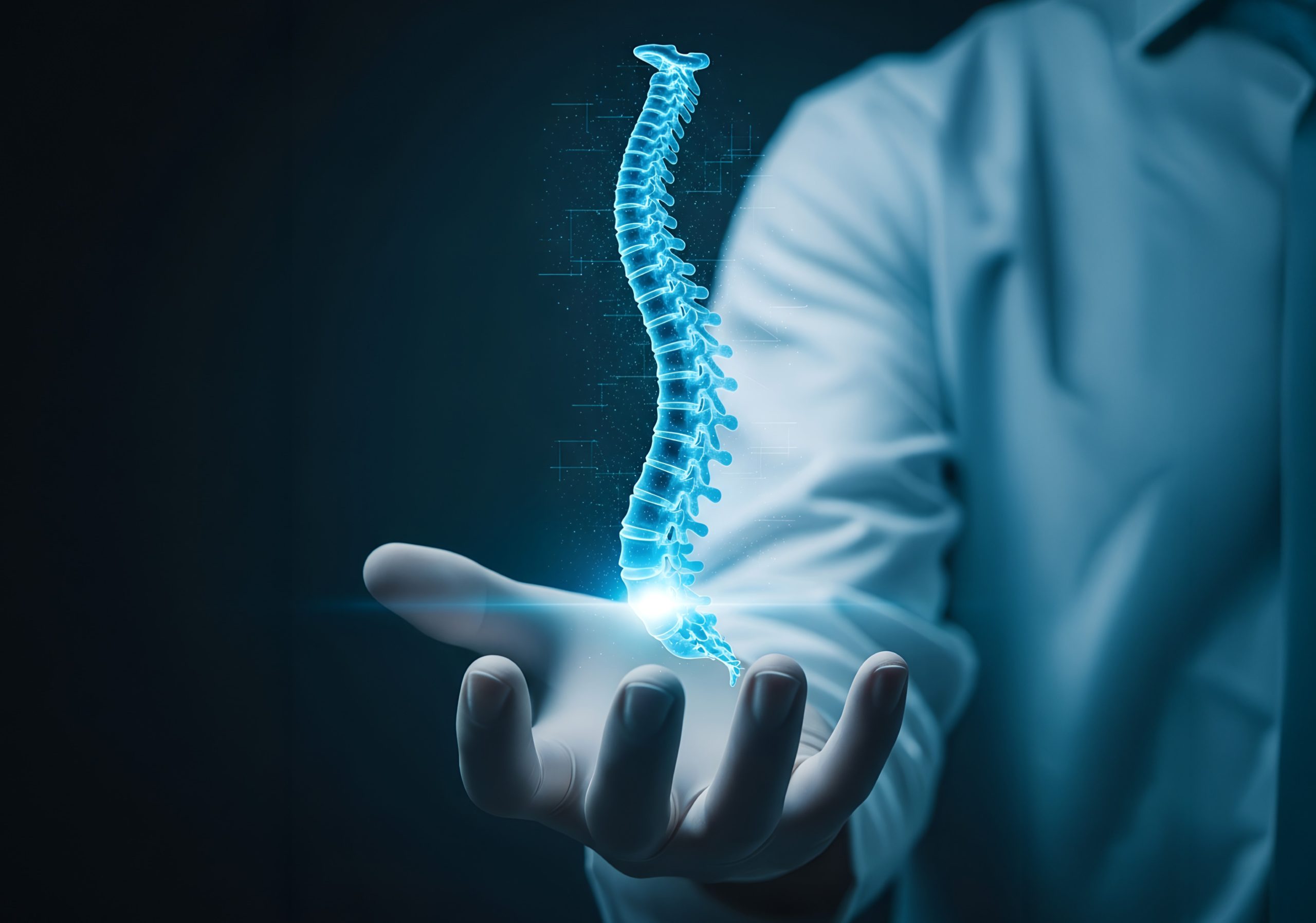
Every year on 16 October, World Spine Day raises awareness about the importance of spinal health, prevention, and access to appropriate spine care. The official theme for World Spine Day 2026 is “Spine Health for Life,” encouraging people to make spinal health a priority throughout every stage of life.

Our spine supports us through almost everything we do, from sitting and standing to walking, exercising, working, and carrying out daily activities. Yet spine health is often overlooked until pain or difficulty with movement begins. This World Spine Day is a timely reminder that taking small, consistent steps to care for your spine can support your mobility and overall well-being for years to come.

Why Spine Health Matters at Every Age?

Spinal health is important from childhood through older age. The needs may change over time, but regular movement, healthy habits and attention to symptoms remain important throughout life.

During childhood and adolescence, staying physically active and seeking medical evaluation for persistent pain or noticeable spinal curvature can be important. During the working years, reducing prolonged sitting, safely managing physical workloads and maintaining an active lifestyle can support spine health. For older adults, maintaining strength, balance and bone health becomes increasingly important.

Everyday Habits for a Healthier Spine

Caring for your spine does not necessarily require major lifestyle changes. A few simple habits can make spine health part of your everyday routine:

  • Keep moving: Regular physical activity can help maintain strength, flexibility and mobility. Avoid remaining in the same position for extended periods, particularly if your work involves long hours at a desk.
  • Pay attention to your posture: Whether you are working at a computer, using your phone or relaxing at home, be mindful of how you sit and stand. Good posture and ergonomic practices are among the measures promoted through World Spine Day initiatives.
  • Lift and carry safely: Be mindful when lifting heavy objects and avoid unnecessary strain on your back. If your job involves repetitive lifting or other physically demanding activities, using safe techniques becomes particularly important.
  • Build healthy daily habits: Staying physically active and maintaining muscle and bone health can contribute to protecting your spine throughout life.
  • Listen to your body: Occasional discomfort can happen, but persistent or worsening back or neck pain should not simply become part of your routine. Seek professional medical advice when symptoms are concerning or begin interfering with everyday activities.

Make Spine Health a Lifelong Priority

World Spine Day 2026 reminds us that spinal care should not begin only when pain appears. The theme “Spine Health for Life” encourages a proactive approach centered around movement, prevention, education and appropriate care.

This 16 October, take a moment to think about your daily habits. Move regularly, practice good posture, stay active and pay attention to what your body is telling you. A healthier spine can help you stay active and enjoy the activities that matter to you at every stage of life.

This World Spine Day, make a simple commitment – Move better, sit smarter and care for your spine for life.

Frequently Asked Questions (FAQs)

1. When is World Spine Day, and what is the 2026 theme?

World Spine Day is observed every year on 16 October. The theme for 2026 is “Spine Health for Life,” which encourages people to prioritize spinal health at every stage of life.

2. What are the common causes of back and neck pain?

Back and neck pain can result from prolonged sitting, poor posture, lifting heavy objects incorrectly, lack of physical activity, muscle strain, age-related changes or injury. A proper medical evaluation is the best way to find the cause of persistent pain.

3. How can I keep my spine healthy at work?

Take regular breaks from sitting, keep a comfortable and ergonomic workstation, be mindful of your posture when using a computer or phone, and stay physically active through the day.

4. Is exercise good for the spine?

Yes. Regular physical activity helps maintain strength, flexibility and mobility, and supports muscle and bone health. If you already have pain, ask your doctor which activities are suitable for you.

5. Can children and teenagers have spine problems?

Yes. Persistent back pain or a noticeable curve in the spine in a child or teenager should be medically evaluated, so any concern can be identified and managed early.

6. When should I see a spine specialist?

Consult a doctor if back or neck pain is persistent, keeps getting worse, or interferes with your daily activities. Seek medical attention promptly if pain comes with numbness, tingling or weakness in the arms or legs, or after an injury.

Book Your Spine Consultation with Our Experts

Is back or neck pain affecting your day-to-day life? Don’t wait for it to get worse. Consult our experienced Spine Surgeons Dr. Rajan Babu and Dr. Sreekanth Reddy for expert evaluation and care for your spine health.

Dr. Rajan Babu Michael

HOD & Specialist Orthopedics and Spine Surgeon

Dr. Sreekanth Reddy Rajoli

Specialist Orthopedic & Spine Surgeon

Our Experts

See More
Syeda Ayman
Rajan Babu Michael
Ankit Khurana
Vincent Stephen
Sreekanth Reddy Rajoli