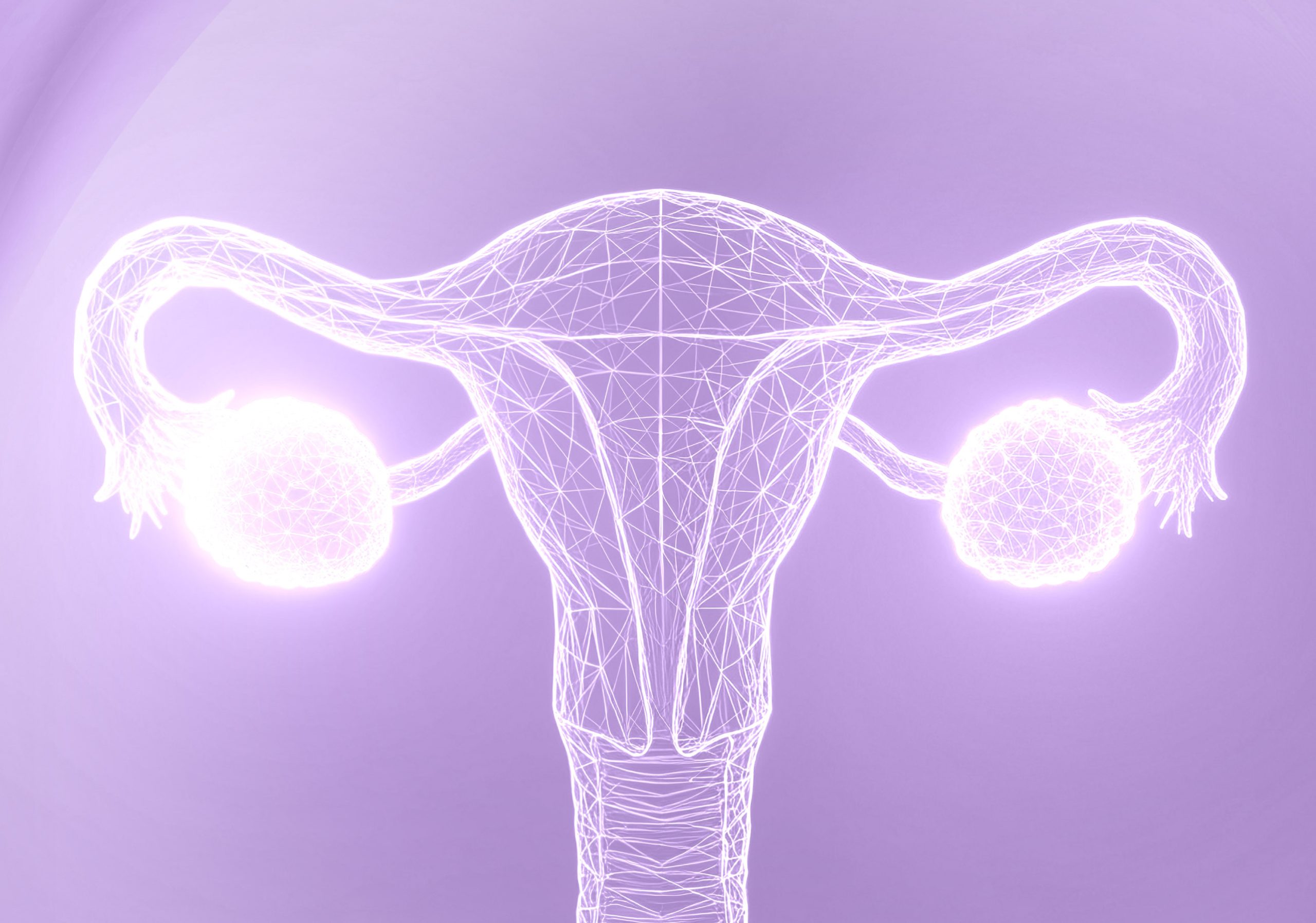
Hormonal health plays a critical role in a woman’s overall wellbeing, influencing everything from menstrual cycles to mood, metabolism, and fertility. In recent conversations around women’s health, the term PMOS (Polycystic Metabolic/Ovarian Syndrome) is increasingly being used to represent a more comprehensive understanding of hormonal imbalance—moving beyond the traditional labels of PCOS or PCOD.
This modern perspective focuses not just on the ovaries, but on the entire metabolic and hormonal system, offering a more holistic approach to diagnosis and management.
What is PMOS?
PMOS is considered a broader, evolving concept that highlights the connection between hormonal imbalance and metabolic health. While earlier terms like PCOS (Polycystic Ovary Syndrome) focused primarily on ovarian symptoms such as cysts and irregular periods, PMOS shifts attention to underlying factors like insulin resistance, weight changes, and lifestyle influences.
This refined understanding helps doctors look beyond symptoms and address the root cause of the condition—leading to more personalized and effective treatment plans.
Common Signs and Symptoms of PMOS
PMOS may present differently in every woman, but some common signs include:
- Irregular or missed periods
- Excessive hair growth (face or body)
- Acne or oily skin
- Unexplained weight gain or difficulty losing weight
- Hair thinning or hair fall
- Mood swings and fatigue
These symptoms often develop gradually and may be overlooked initially. Early recognition and medical consultation are key to managing the condition effectively.
The Role of Hormones and Metabolism
One of the key differences in the PMOS approach is its focus on metabolic health, especially insulin resistance. Insulin is a hormone that regulates blood sugar, and when the body becomes resistant to it, it can trigger a chain reaction of hormonal imbalances.
This imbalance may lead to increased levels of androgens (male hormones), which can disrupt ovulation and cause many of the symptoms associated with PMOS.
By addressing metabolic factors alongside reproductive health, doctors can create more comprehensive treatment strategies that tackle the condition at its root.
PCOD vs PCOS vs PMOS — Why the Shift in Diagnosis Matters
The shift from PCOD/PCOS to PMOS reflects a growing awareness that hormonal imbalance is not limited to one organ. It is influenced by:
- Diet and nutrition
- Physical activity
- Stress levels
- Sleep patterns
- Genetic factors
This broader approach allows healthcare providers to focus on long-term health outcomes, rather than short-term symptom relief. It also empowers women to take an active role in managing their health through lifestyle changes.
How to manage PMOS ?
Managing PMOS involves a combination of medical care and lifestyle modification. Pediatricians (for adolescents) and gynecologists often emphasize early intervention, especially for young girls showing initial symptoms.
1. Balanced Nutrition
A diet rich in whole foods, fiber, lean proteins, and healthy fats can help regulate insulin levels and support hormonal balance. Reducing processed foods and sugary drinks is equally important.
2. Regular Physical Activity
Exercise improves insulin sensitivity and helps maintain a healthy weight. Even simple activities like walking, yoga, or cycling can make a noticeable difference.
3. Stress Management
Chronic stress can worsen hormonal imbalance. Practices like meditation, deep breathing, and adequate rest play a crucial role in overall wellbeing.
4. Medical Guidance
Doctors may recommend treatments based on individual needs, including medications or supportive therapies to regulate cycles and manage symptoms.
Support for Adolescents
PMOS is not just an adult concern—it often begins in teenage years. Irregular periods soon after menarche (first menstruation) are common, but persistent issues should not be ignored.
Early diagnosis and guidance from pediatric and adolescent health specialists can help young girls develop healthy habits early, preventing complications later in life. Educating teens about menstrual health also reduces anxiety and builds confidence.
When to Seek Medical Help?
It is important to consult a doctor if you notice:
- Periods absent for more than 2–3 months
- Severe acne or sudden weight gain
- Excessive hair growth
- Difficulty managing symptoms despite lifestyle changes
Timely intervention can prevent long-term complications such as diabetes, infertility, or cardiovascular concerns.
FAQs
PMOS (Polycystic Metabolic/Ovarian Syndrome) is a broader, more evolved understanding of hormonal imbalance in women. While PCOS focuses primarily on ovarian symptoms like cysts and irregular periods, PMOS goes a step further by addressing the connection between hormonal and metabolic health — including factors like insulin resistance, weight changes, and lifestyle influences. This makes diagnosis and treatment more personalized and comprehensive.
Common symptoms of PMOS include irregular or missed periods, excessive hair growth on the face or body, acne or oily skin, unexplained weight gain, hair thinning, mood swings, and persistent fatigue. Since these symptoms develop gradually, early medical consultation is key to effective management.
PMOS is primarily influenced by insulin resistance — a condition where the body does not respond properly to insulin, triggering a chain of hormonal imbalances. This can lead to elevated androgen (male hormone) levels, disrupting ovulation and causing many of the associated symptoms. Lifestyle factors such as poor diet, physical inactivity, chronic stress, disrupted sleep, and genetic predisposition also play a significant role.
Yes. PMOS often begins during the teenage years. Irregular periods soon after the first menstruation can be an early indicator. Early diagnosis and guidance from adolescent health and gynecology specialists at LLH Hospital help young girls build healthy habits early, reducing the risk of complications later in life.
PMOS management involves a combination of medical care and lifestyle changes, including a balanced diet rich in whole foods and fiber, regular physical activity such as walking or yoga, stress management through meditation and adequate rest, and personalized medical guidance. Our experienced gynecologists at LLH Hospital create individualized treatment plans targeting the root cause rather than just the symptoms.
You should consult a doctor if your periods have been absent for more than 2–3 months, you are experiencing sudden weight gain or severe acne, you notice excessive hair growth, or your symptoms are not improving despite lifestyle changes. Early intervention helps prevent long-term complications such as diabetes, infertility, or cardiovascular concerns.
PMOS is a manageable condition. With the right combination of medical support, dietary changes, regular exercise, and stress management, many women experience significant improvement in their symptoms and overall hormonal health. Our expert gynecologists at LLH Hospital guide you through every step of your wellness journey.
LLH Hospital’s Obstetrics & Gynecology Department offers specialized, patient-centered care for women’s hormonal and reproductive health. Our experienced gynecologists take a holistic, modern approach to conditions like PMOS — addressing both metabolic and hormonal factors for long-term wellness, not just symptom relief.
Take Control of Your Hormonal Health — You Don’t Have to Navigate It Alone
PMOS is more than just irregular periods or hormonal fluctuations — it is your body signalling that it needs comprehensive, personalised care. Understanding the connection between your hormones, metabolism, and lifestyle is the first and most important step toward lasting wellness.
At LLH Hospital Abu Dhabi, our Obstetrics & Gynecology Department is dedicated to providing women with expert, compassionate, and modern healthcare. Whether you are a young girl experiencing your first menstrual irregularities or a woman looking for long-term hormonal balance, our specialists are here to guide you with evidence-based, holistic care tailored specifically to you.
Don’t wait for symptoms to worsen. Book your appointment with our expert Gynecologists LLH Hospital Abu Dhabi today.
🌐 Visit: www.llhhospital.com
📍 Location: LLH Hospital, Abu Dhabi, UAE
Your health. Your balance. Your life — start the journey today.