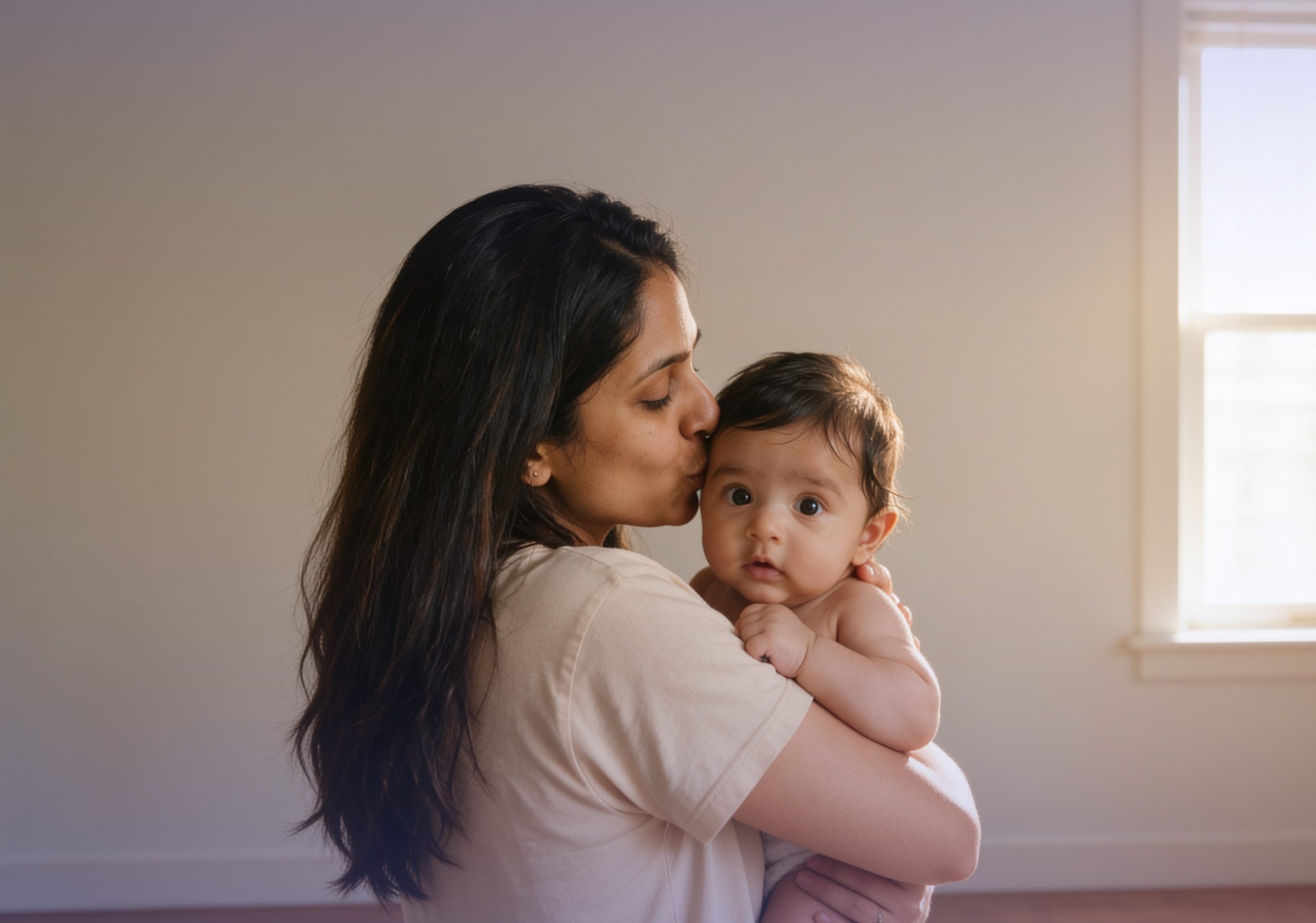
Every year, World Breastfeeding Week, observed from 1–7 August, serves as a reminder of the importance of breastfeeding in giving every child the healthiest possible start in life. The 2026 theme, “Breastfeeding for a Sustainable Start in Life: Strengthen What Works,” highlights the need to build on proven practices that support mothers, babies, families, and communities.
What Is World Breastfeeding Week?
World Breastfeeding Week is a global observance held every year from 1 to 7 August to raise awareness about the importance of breastfeeding for infant health, maternal wellbeing, and community support systems. It brings together healthcare providers, families, employers, and policymakers to strengthen the practices that help mothers succeed in their breastfeeding journey.
Why Breastfeeding Matters for Babies
Breastfeeding is much more than a way to nourish a baby—it is a foundation for lifelong health. Breast milk contains the ideal balance of nutrients, antibodies, and enzymes that help protect infants against infections, strengthen their immune systems, and support healthy growth and brain development. The World Health Organization recommends initiating breastfeeding within the first hour after birth, exclusively breastfeeding for the first six months, and continuing breastfeeding alongside complementary foods for up to two years or beyond.
The 2026 Theme: Strengthen What Works
The 2026 theme encourages us to focus on what has consistently made breastfeeding successful: education, timely support, and a nurturing environment. While breastfeeding is a natural process, it is also a learned skill that often requires guidance and encouragement. New mothers may experience concerns about latching, milk supply, or feeding positions. Access to skilled healthcare professionals, lactation consultants, and supportive family members can make a significant difference in helping mothers overcome these challenges with confidence.
Benefits of Breastfeeding for Mothers
Breastfeeding also offers remarkable health benefits for mothers. It promotes faster recovery after childbirth, helps the uterus return to its normal size, and may reduce the risk of breast and ovarian cancers, type 2 diabetes, and certain cardiovascular diseases later in life. Beyond the physical benefits, breastfeeding strengthens the emotional bond between mother and baby, fostering comfort, security, and emotional well-being.
Creating a Supportive Breastfeeding Environment
Creating a supportive environment is a shared responsibility. Partners, grandparents, employers, healthcare providers, and communities all have an important role to play. Simple gestures—offering encouragement, helping with household responsibilities, ensuring access to breastfeeding-friendly spaces, and providing evidence-based guidance—can empower mothers to continue their breastfeeding journey. When mothers feel supported rather than judged, they are more likely to achieve their breastfeeding goals.
Breastfeeding and Sustainability
The concept of sustainability is also central to this year’s campaign. Breastfeeding is a natural, renewable source of nutrition that requires no manufacturing, packaging, or transportation. It supports not only healthier families but also a healthier planet by reducing waste and conserving resources. By strengthening breastfeeding support systems today, we contribute to healthier future generations and a more sustainable tomorrow.
How LLH Hospitals & Medical Centres Support Mothers
At LLH Hospitals & Medical Centres, we believe every mother deserves compassionate care and reliable support throughout her pregnancy and beyond. Our obstetricians, pediatricians, nurses, and lactation support team work together to provide personalized guidance, answer questions, and help mothers navigate their breastfeeding journey with confidence.
Frequently Asked Questions (FAQs)
World Breastfeeding Week 2026 is observed from 1 to 7 August, with the theme “Breastfeeding for a Sustainable Start in Life: Strengthen What Works.”
The World Health Organization recommends exclusive breastfeeding for the first six months of life, followed by continued breastfeeding along with appropriate complementary foods for up to two years or beyond.
These are common concerns and can usually be resolved with the right guidance. Consulting a lactation expert or pediatrician early can help identify the cause and offer practical solutions to build confidence and improve feeding outcomes.
Yes. Breastfeeding supports faster postpartum recovery, helps the uterus return to its normal size, and is associated with a reduced risk of breast and ovarian cancers, type 2 diabetes, and certain cardiovascular conditions later in life.
Support can include sharing household responsibilities, offering encouragement, providing breastfeeding-friendly spaces at workplaces, and ensuring mothers have time and privacy to feed without judgment or pressure.
Breastfeeding is a natural, renewable source of nutrition that requires no manufacturing, packaging, or transportation, which helps reduce waste and conserve resources compared to formula feeding.
LLH Hospitals & Medical Centres offers guidance from obstetricians, pediatricians, nurses, and a dedicated lactation support team who can help with any questions or challenges throughout your breastfeeding journey.
Conclusion
This World Breastfeeding Week, let us celebrate every mother’s commitment and reaffirm our collective responsibility to strengthen what works. Through education, encouragement, and compassionate care, we can ensure that every baby receives the healthiest possible start and every mother feels empowered to embrace her breastfeeding journey.
Ready to get expert breastfeeding support? Connect with the Obstetrics & Gynecology specialists and Pediatricians across all LLH Hospitals & Medical Centres branches for personalized lactation guidance and compassionate maternity care. Book an appointment today and take the next step in your breastfeeding journey with confidence.