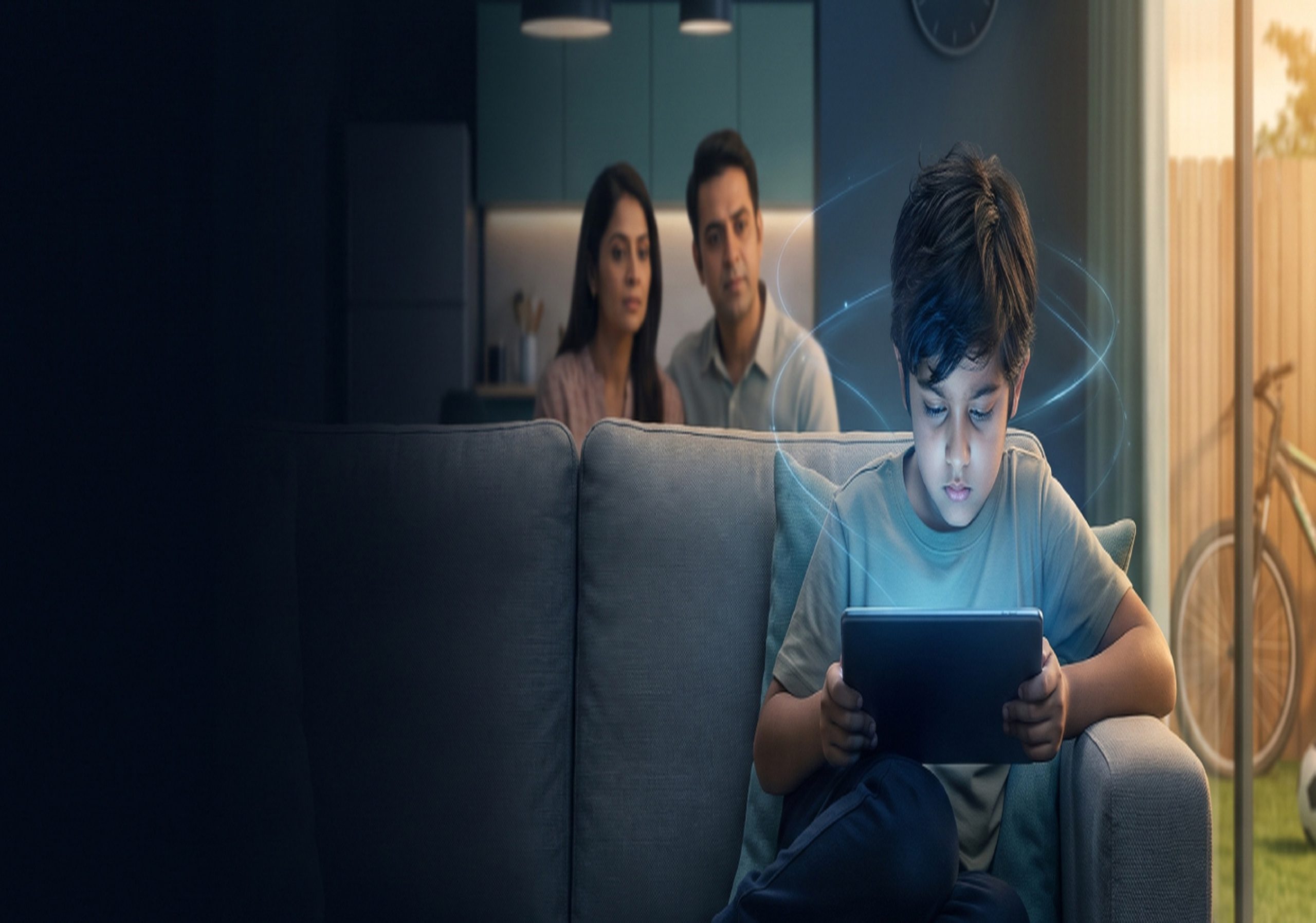
We live in a hyperconnected digital world where smartphones, tablets, televisions, and gaming consoles have become part of everyday childhood. While these technologies offer real benefits — interactive learning, educational entertainment, and global connectivity — excessive screen time in children poses significant risks to a child’s physical, cognitive, and social development. For parents in Abu Dhabi, especially as the new school year begins, striking a healthy balance between screens and real-world activity is one of the most important parenting challenges today.
The Effects of Screen Time on Older Children
For school-going children, the biggest impact of excess screen time falls on physical health, sleep, and mental wellbeing. Prolonged screen use is linked to weight gain from a sedentary lifestyle, digital eye strain, myopia, and physical discomfort such as neck and back pain.
The blue light emitted by screens also disrupts melatonin production, the hormone responsible for regulating sleep. Children who use devices close to bedtime often experience poor sleep quality, leading to daytime fatigue, mood swings, and irritability. Late-night gaming or texting can trigger stress hormones like cortisol and adrenaline, keeping the adolescent brain in a state of hyperarousal. Over time, excess screen time in older children has been associated with emotional and behavioral issues, including aggression, anxiety, and low self-confidence.
Why Younger Brains Are More Vulnerable
The effects of screen exposure can be even more pronounced in toddlers and young children. Studies show that children exposed to gadgets from an early age often experience delayed language development compared to peers who are not. Information absorbed through screens does not create the same lasting memory as language learned through face-to-face interaction.
High-quality parent-child conversations and shared book reading are essential for early language and cognitive processing. Young children also struggle to understand the “symbolic nature” of on-screen content — meaning cartoons and advertisements that seem to capture a toddler’s attention aren’t processed the way adults assume. Even indirect exposure to screen sound and light effects can create harmful distractions, potentially contributing to irritability and behavioral issues, including aggressiveness.
Building Healthy Screen Time Habits
With the school year underway and screen use often spiking during holidays, parents play a critical role in guiding healthy habits. The American Academy of Pediatrics (AAP) now emphasizes quality, context, and conversation over strict time limits — recommending no screens before 18 months and no more than one hour of high-quality content daily for children aged 2 to 5.
When screens are necessary, co-viewing with an adult and choosing age-appropriate, high-quality content is important. Encourage children to explore the non-digital world through shared activities — cooking together, organizing the home, arts and crafts, reading, and indoor sports. These moments strengthen family bonds and support long-term physical and mental health.
Back to School: Prioritizing Your Child’s Health
As families in Abu Dhabi prepare for the new school term, LLH Hospital’s Little Star Pediatric Clinic is here to help you put your child’s health first. Take advantage of our Back-to-School Health Package worth AED 750 — at zero cost, which includes:
- Pediatric Consultation
- Nutrition & Growth Assessment
- BMI Measurement
- Vision Test (if required)
- Dental Check-up (if required)
Plus, enjoy 50% off Vitamin D Test for your child.
Conclusion
Screens are here to stay, but with mindful limits, quality content, and plenty of real-world engagement, parents can help children thrive both on and offline. A healthy start to the school year begins with a healthy child — physically, visually, and emotionally ready to learn.
FAQs
The AAP recommends no screens before 18 months, and about one hour of high-quality content daily for children aged 2–5. For older children, quality and context matter more than strict time limits.
Yes. Extended screen use can cause digital eye strain and has been linked to increasing rates of myopia (nearsightedness) in children.
Yes, especially toddlers. Face-to-face interaction and shared reading support stronger language development than screen exposure.
The package (worth AED 750, free of cost) includes a pediatric consultation, nutrition and growth assessment, BMI measurement, vision test, and dental check-up (as required), along with 50% off a Vitamin D test.
You can call LLH Hospital at 800 55 to book an appointment at our Abu Dhabi or Musaffah locations.
Book Your Child’s Back-to-School Health Check-Up Today
Give your child the healthiest start to the new school year. Visit Little Star Pediatric Clinic at LLH Hospital, Abu Dhabi | Musaffah, and claim your Back-to-School Health Package worth AED 750 at zero cost, plus 50% off Vitamin D testing.
Call/WhatsApp: 800 55 | T&C Apply