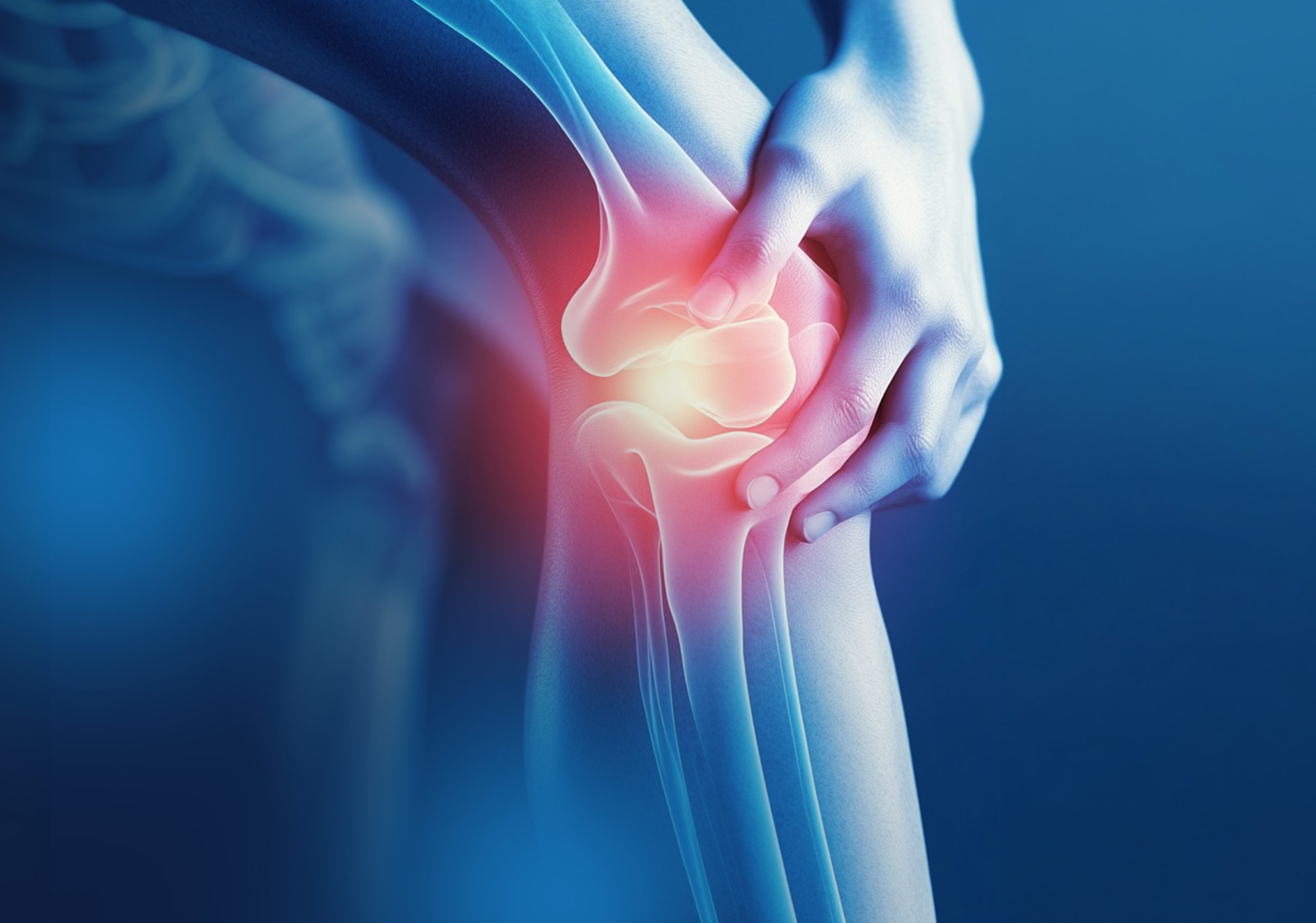
Every year on 12 October, World Arthritis Day raises awareness about rheumatic and musculoskeletal diseases (RMDs) and the impact they can have on people’s lives. For 2026, the campaign theme “Achieve Your Dreams” continues to highlight the goals and aspirations of people living with these conditions and the importance of earlier diagnosis, better access to treatment, understanding, inclusion and support.
Living with arthritis or another rheumatic condition can affect it much more than the joints. Pain, fatigue and uncertainty can influence everyday activities, work and family life. However, having arthritis should not mean giving up on the things that matter to you.
What is Arthritis ?
Arthritis is often thought of as a single condition, but joint-related symptoms can occur as part of many different rheumatic and musculoskeletal diseases. These include conditions such as rheumatoid arthritis, psoriatic arthritis, juvenile idiopathic arthritis and gout.
Symptoms vary depending on the underlying condition. Persistent joint pain, swelling, stiffness or difficulty with movement should not simply be ignored, particularly when symptoms begin to interfere with everyday activities.
Why Early Attention Matters?
One of the important messages surrounding World Arthritis Day is the value of greater awareness and earlier diagnosis, improved access to care can help people manage rheumatic and musculoskeletal conditions more effectively and achieve better health outcomes.
Rather than accepting ongoing joint symptoms as simply part of ageing or daily life, speaking with a healthcare professional can help determine the cause and identify an appropriate approach to care.
Supporting Your Joint Health
Along with appropriate medical care, healthy everyday habits can support overall well-being. Depending on your individual health and your healthcare professional’s advice, this may include:
- Staying physically active and avoiding unnecessary periods of inactivity.
- Maintaining a healthy lifestyle and body weight.
- Paying attention to persistence or changing joint symptoms.
- Following the treatment or rehabilitation plan recommended by your healthcare team.
- Discussing difficulties with daily activities with your doctor rather than silently adapting to ongoing pain.
Most importantly, arthritis care should be individualized. What works for one person may not be suitable for another, particularly because rheumatic and musculoskeletal diseases include a wide range of different conditions.
Your Condition Does Not Define Your Dreams
The 2026 “Achieve Your Dreams” campaign recognizes that people affected by rheumatic and musculoskeletal diseases continue to have personal goals, hopes and ambitions despite the challenges they may experience. It calls for a future where earlier diagnosis, appropriate treatment, greater understanding and stronger support help people pursue what matters most to them.
This World Arthritis Day, listen to your joints and don’t ignore persistent symptoms. If pain, swelling, stiffness or restricted movement is affecting your everyday activities, consider seeking medical advice.
Your joints may need care, but your dreams don’t need to stop. Take a step towards better joint health today!
Frequently Asked Questions (FAQs)
World Arthritis Day is observed every year on 12 October. The 2026 campaign theme is “Achieve Your Dreams,” which highlights the goals of people living with rheumatic and musculoskeletal diseases (RMDs) and the importance of earlier diagnosis, better access to treatment, understanding and support.
Joint symptoms can occur in many rheumatic and musculoskeletal conditions, including rheumatoid arthritis, psoriatic arthritis, juvenile idiopathic arthritis and gout. Symptoms vary depending on the underlying condition, so a proper evaluation is important.
Persistent joint pain, swelling, stiffness or difficulty with movement are common symptoms. Fatigue can also affect people living with rheumatic conditions. These symptoms should not simply be ignored, especially when they interfere with everyday activities.
Earlier diagnosis and improved access to care can help people manage rheumatic and musculoskeletal conditions more effectively and achieve better health outcomes. Joint symptoms should not be accepted as just a part of ageing.
In many cases, staying physically active and avoiding long periods of inactivity can support joint health. The right type and amount of activity depends on your condition, so follow the advice of your healthcare team.
Consider seeking medical advice if joint pain, swelling, stiffness or restricted movement is persistent, keeps recurring or affects your daily activities, work or family life.
Book Your Arthritis Consultation at LLH Hospital, Abu Dhabi
Are persistent joint pain, swelling or stiffness affecting your daily life? Don’t wait for symptoms to get worse. Consult Dr. Syeda at LLH Hospital, Abu Dhabi for expert evaluation and personalized care for your joint health.
Dr. Syeda Ayman
Specialist Orthopedic Surgery