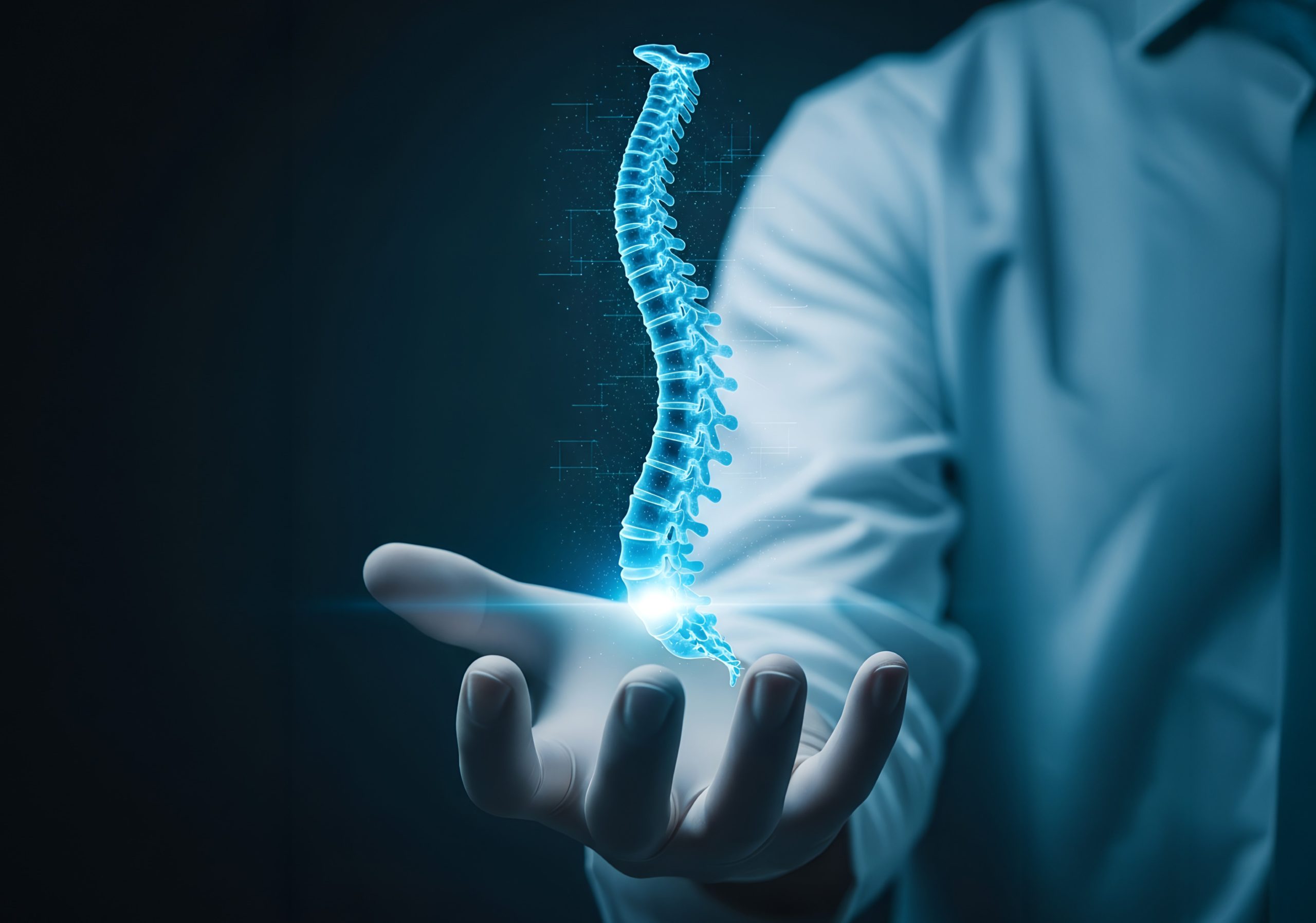
Every year on 16 October, World Spine Day raises awareness about the importance of spinal health, prevention, and access to appropriate spine care. The official theme for World Spine Day 2026 is “Spine Health for Life,” encouraging people to make spinal health a priority throughout every stage of life.
Our spine supports us through almost everything we do, from sitting and standing to walking, exercising, working, and carrying out daily activities. Yet spine health is often overlooked until pain or difficulty with movement begins. This World Spine Day is a timely reminder that taking small, consistent steps to care for your spine can support your mobility and overall well-being for years to come.
Why Spine Health Matters at Every Age?
Spinal health is important from childhood through older age. The needs may change over time, but regular movement, healthy habits and attention to symptoms remain important throughout life.
During childhood and adolescence, staying physically active and seeking medical evaluation for persistent pain or noticeable spinal curvature can be important. During the working years, reducing prolonged sitting, safely managing physical workloads and maintaining an active lifestyle can support spine health. For older adults, maintaining strength, balance and bone health becomes increasingly important.
Everyday Habits for a Healthier Spine
Caring for your spine does not necessarily require major lifestyle changes. A few simple habits can make spine health part of your everyday routine:
- Keep moving: Regular physical activity can help maintain strength, flexibility and mobility. Avoid remaining in the same position for extended periods, particularly if your work involves long hours at a desk.
- Pay attention to your posture: Whether you are working at a computer, using your phone or relaxing at home, be mindful of how you sit and stand. Good posture and ergonomic practices are among the measures promoted through World Spine Day initiatives.
- Lift and carry safely: Be mindful when lifting heavy objects and avoid unnecessary strain on your back. If your job involves repetitive lifting or other physically demanding activities, using safe techniques becomes particularly important.
- Build healthy daily habits: Staying physically active and maintaining muscle and bone health can contribute to protecting your spine throughout life.
- Listen to your body: Occasional discomfort can happen, but persistent or worsening back or neck pain should not simply become part of your routine. Seek professional medical advice when symptoms are concerning or begin interfering with everyday activities.
Make Spine Health a Lifelong Priority
World Spine Day 2026 reminds us that spinal care should not begin only when pain appears. The theme “Spine Health for Life” encourages a proactive approach centered around movement, prevention, education and appropriate care.
This 16 October, take a moment to think about your daily habits. Move regularly, practice good posture, stay active and pay attention to what your body is telling you. A healthier spine can help you stay active and enjoy the activities that matter to you at every stage of life.
This World Spine Day, make a simple commitment – Move better, sit smarter and care for your spine for life.
Frequently Asked Questions (FAQs)
World Spine Day is observed every year on 16 October. The theme for 2026 is “Spine Health for Life,” which encourages people to prioritize spinal health at every stage of life.
Back and neck pain can result from prolonged sitting, poor posture, lifting heavy objects incorrectly, lack of physical activity, muscle strain, age-related changes or injury. A proper medical evaluation is the best way to find the cause of persistent pain.
Take regular breaks from sitting, keep a comfortable and ergonomic workstation, be mindful of your posture when using a computer or phone, and stay physically active through the day.
Yes. Regular physical activity helps maintain strength, flexibility and mobility, and supports muscle and bone health. If you already have pain, ask your doctor which activities are suitable for you.
Yes. Persistent back pain or a noticeable curve in the spine in a child or teenager should be medically evaluated, so any concern can be identified and managed early.
Consult a doctor if back or neck pain is persistent, keeps getting worse, or interferes with your daily activities. Seek medical attention promptly if pain comes with numbness, tingling or weakness in the arms or legs, or after an injury.
Book Your Spine Consultation with Our Experts
Is back or neck pain affecting your day-to-day life? Don’t wait for it to get worse. Consult our experienced Spine Surgeons Dr. Rajan Babu and Dr. Sreekanth Reddy for expert evaluation and care for your spine health.
Dr. Rajan Babu Michael
HOD & Specialist Orthopedics and Spine Surgeon

Dr. Sreekanth Reddy Rajoli
Specialist Orthopedic & Spine Surgeon