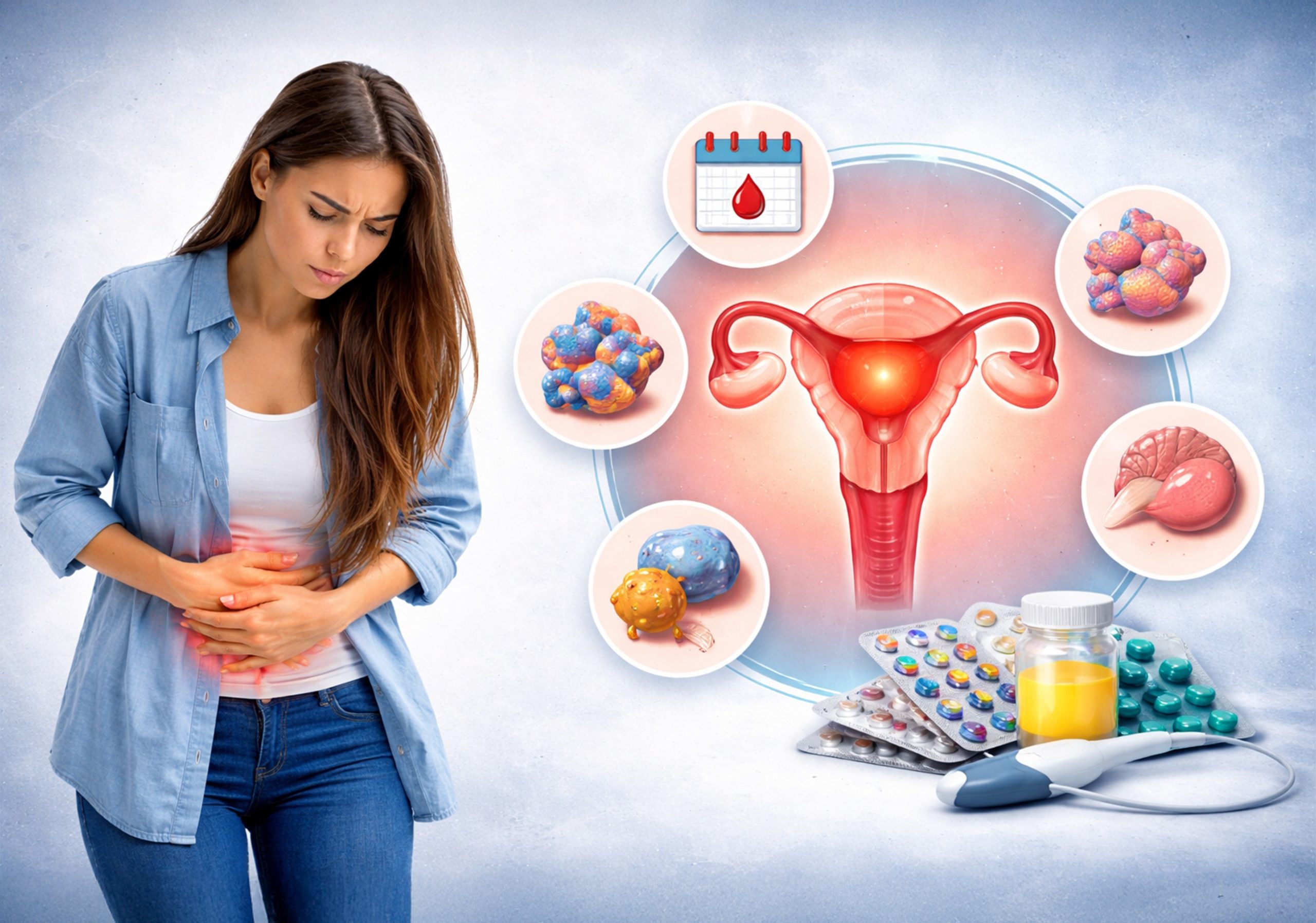
Pelvic pain is a common yet often misunderstood condition that affects both men and women. Whether it’s a dull ache that persists for weeks or sudden, sharp discomfort that disrupts your daily life, pelvic pain should never be ignored. At LLH Hospital Abu Dhabi, our experienced team of general and laparoscopic surgeons specializes in diagnosing and treating the underlying causes of pelvic pain with precision and compassion.
In this comprehensive guide, we’ll explore everything you need to know about pelvic pain—from its various causes and symptoms to when you should seek immediate medical attention.
What is Pelvic Pain?
Pelvic pain refers to discomfort occurring in the lower abdomen, below the belly button and between the hips. It can range from mild and intermittent to severe and constant. The pain may be:
- Acute: Sudden onset, severe, and requiring immediate attention
- Chronic: Lasting for six months or longer
- Cyclical: Related to menstrual cycles in women
- Localized: Concentrated in one specific area
- Diffuse: Spread across the entire pelvic region
Understanding the nature of your pelvic pain is the first step toward proper diagnosis and treatment.
Common Causes of Pelvic Pain
Pelvic pain can stem from various conditions affecting different organs and systems within the pelvic region. Here are the most common causes:
1. Gastrointestinal Causes
- Irritable Bowel Syndrome (IBS) IBS is a common digestive disorder that can cause cramping, bloating, and pelvic discomfort. The pain often improves after bowel movements.
- Inflammatory Bowel Disease (IBD) Conditions like Crohn’s disease and ulcerative colitis cause chronic inflammation of the digestive tract, leading to persistent pelvic pain, diarrhea, and weight loss.
- Appendicitis Inflammation of the appendix typically begins with pain around the navel that migrates to the lower right abdomen. This is a surgical emergency requiring immediate attention.
- Diverticulitis Small pouches in the colon can become inflamed or infected, causing sharp pain in the lower left abdomen, fever, and changes in bowel habits.
2. Urological Causes
- Urinary Tract Infections (UTIs) Bacterial infections in the bladder or urethra can cause pelvic pain, burning during urination, and frequent urges to urinate.
- Kidney Stones These hard mineral deposits can cause severe, cramping pain that radiates from the back to the lower abdomen and groin area.
- Bladder Disorders Conditions like interstitial cystitis or bladder inflammation can lead to chronic pelvic pain and urinary urgency.
3. Reproductive System Causes
In Women:
- Endometriosis: Tissue similar to the uterine lining grows outside the uterus, causing severe pain
- Ovarian cysts: Fluid-filled sacs on the ovaries that can rupture or twist
- Pelvic Inflammatory Disease (PID): Infection of the reproductive organs
- Uterine fibroids: Non-cancerous growths in the uterus
- Ectopic pregnancy: A life-threatening condition requiring immediate care
In Men:
- Prostatitis: Inflammation of the prostate gland
- Testicular disorders: Including torsion or inflammation
- Epididymitis: Inflammation of the tube at the back of the testicle
4. Musculoskeletal Causes
- Pelvic Floor Dysfunction Weakness or tension in the pelvic floor muscles can cause chronic pain, difficulty with bowel movements, and urinary issues.
- Hernias Inguinal or femoral hernias occur when tissue pushes through weak spots in the abdominal wall, causing a visible bulge and pain that worsens with activity.
- Muscle Strains Overuse or injury to abdominal or pelvic muscles can result in persistent discomfort.
5. Other Causes
- Nerve entrapment: Trapped nerves in the pelvic region
- Adhesions: Scar tissue from previous surgeries
- Pelvic congestion syndrome: Varicose veins in the pelvis
- Psychological factors: Stress and anxiety can manifest as physical pelvic pain
Recognizing the Symptoms: When Pelvic Pain Needs Attention
While occasional mild pelvic discomfort may not be cause for alarm, certain symptoms warrant immediate medical evaluation. Pay attention to these warning signs:
Seek Immediate Medical Care If You Experience:
- Severe, sudden pelvic pain that doesn’t improve
- Pain accompanied by fever (above 38°C/100.4°F)
- Heavy vaginal bleeding (in women)
- Visible bulge or lump in the groin or abdomen
- Inability to pass gas or have bowel movements
- Blood in urine or stool
- Vomiting along with abdominal pain
- Difficulty urinating or painful urination
- Pain during pregnancy (could indicate ectopic pregnancy)
- Pain after trauma or injury to the abdomen
Schedule a Consultation If You Have:
- Chronic pain lasting more than six months
- Pain that interferes with daily activities
- Progressive worsening of symptoms
- Pain during intercourse
- Unexplained weight loss
- Changes in bowel or bladder habits
- Pain that radiates to the back or legs
Diagnostic Approach at LLH Hospital Abu Dhabi
At LLH Hospital, our General and Laparoscopic Surgery Department takes a comprehensive, patient-centered approach to diagnosing pelvic pain. Our process includes:
1. Detailed Medical History
Our surgeons begin with a thorough discussion of your symptoms, including:
- When the pain started
- Location and intensity of pain
- Factors that worsen or improve symptoms
- Associated symptoms
- Medical and surgical history
- Current medications
2. Physical Examination
A complete physical examination helps identify:
- Areas of tenderness
- Visible abnormalities like hernias
- Signs of inflammation or infection
- Muscle or nerve involvement
3. Advanced Diagnostic Testing
Based on your symptoms, we may recommend:
Laboratory Tests:
- Complete blood count (CBC)
- Urinalysis and urine culture
- Pregnancy test (for women of childbearing age)
- Inflammatory markers
Imaging Studies:
- Ultrasound: First-line imaging for pelvic organs
- CT scan: Detailed cross-sectional images for complex cases
- MRI: Superior soft tissue visualization
- X-rays: To evaluate bones and detect intestinal obstructions
Specialized Procedures:
- Diagnostic laparoscopy: Minimally invasive camera examination of the pelvic cavity
- Colonoscopy or cystoscopy: When gastrointestinal or urological causes are suspected
Treatment Options: From Conservative to Surgical Care
Treatment for pelvic pain depends on the underlying cause, severity of symptoms, and impact on your quality of life. At LLH Hospital, we offer a full spectrum of treatment options:
Conservative Management
Medications:
- Pain relievers (NSAIDs, acetaminophen)
- Antibiotics for infections
- Hormonal therapy for endometriosis or menstrual-related pain
- Muscle relaxants for pelvic floor dysfunction
Physical Therapy:
- Pelvic floor physical therapy
- Stretching and strengthening exercises
- Biofeedback techniques
Lifestyle Modifications:
- Dietary changes for digestive causes
- Stress management techniques
- Heat therapy
- Regular exercise
Minimally Invasive Laparoscopic Surgery
When surgical intervention is necessary, LLH Hospital specializes in advanced laparoscopic techniques that offer significant advantages:
Benefits of Laparoscopic Surgery:
- Smaller incisions (typically 5-10mm)
- Less post-operative pain
- Reduced risk of infection
- Shorter hospital stays
- Faster recovery and return to normal activities
- Minimal scarring
- Better cosmetic results
Common Laparoscopic Procedures:
- Hernia repair (inguinal, femoral, ventral)
- Appendectomy
- Treatment of endometriosis
- Ovarian cyst removal
- Adhesiolysis (removal of scar tissue)
- Diagnostic laparoscopy for unexplained pain
Open Surgical Procedures
For complex cases or emergencies, traditional open surgery may be necessary. Our experienced surgeons are skilled in both approaches and will recommend the best option for your specific condition.
Meet Our Expert General and Laparoscopic Surgery Team
LLH Hospital Abu Dhabi is proud to house a team of highly qualified surgeons specializing in general and laparoscopic surgery. Our department is equipped with state-of-the-art technology and staffed by compassionate professionals dedicated to your wellbeing.
Why Choose LLH Hospital for Pelvic Pain Treatment?
- Experienced Surgical Team Our surgeons have extensive training and years of experience in diagnosing and treating complex pelvic conditions. They stay current with the latest surgical techniques and technologies.
- Multidisciplinary Approach We collaborate with gastroenterologists, urologists, gynecologists, and pain specialists to provide comprehensive care tailored to your specific needs.
- Advanced Laparoscopic Facilities Our operating rooms are equipped with cutting-edge laparoscopic equipment, allowing our surgeons to perform complex procedures with precision and minimal invasiveness.
- Patient-Centered Care We understand that pelvic pain can significantly impact your quality of life. Our team takes time to listen to your concerns, explain your diagnosis clearly, and involve you in treatment decisions.
- Comprehensive Support From diagnosis through recovery, our dedicated nursing staff and support team ensure you receive compassionate care every step of the way.
Preventing Pelvic Pain: Proactive Health Steps
While not all causes of pelvic pain are preventable, you can take steps to reduce your risk:
- Maintain a healthy weight to reduce strain on pelvic structures
- Practice good hygiene to prevent urinary and reproductive tract infections
- Stay hydrated to support urinary health
- Exercise regularly to strengthen core and pelvic floor muscles
- Manage stress through relaxation techniques
- Attend regular check-ups for early detection of issues
- Address constipation promptly to prevent straining
- Use proper lifting techniques to avoid hernias
- Seek prompt treatment for infections or injuries
When to Contact LLH Hospital
Don’t let pelvic pain control your life. If you’re experiencing persistent or severe pelvic discomfort, the General and Laparoscopic Surgery Department at LLH Hospital Abu Dhabi is here to help.
Contact us if you:
- Have unexplained pelvic pain lasting more than a few days
- Experience severe or worsening symptoms
- Notice a bulge or mass in your abdomen or groin
- Have concerns about your digestive or urinary health
- Want a second opinion on your diagnosis
Frequently Asked Questions About Pelvic Pain
Q: How long should I wait before seeing a doctor about pelvic pain?
A: If you experience severe pain, fever, or other warning signs, seek immediate care. For mild, persistent pain, schedule an appointment if symptoms last more than a week or interfere with daily activities.
Q: Can stress cause pelvic pain?
A: Yes, stress and anxiety can contribute to or worsen pelvic pain through muscle tension and heightened pain perception. However, it’s important to rule out physical causes first.
Q: Is laparoscopic surgery safe?
A: Laparoscopic surgery is considered very safe and has a lower complication rate than traditional open surgery. Our experienced surgeons at LLH Hospital have performed thousands of successful laparoscopic procedures.
Q: Will I need to stay overnight in the hospital?
A: This depends on your procedure. Many laparoscopic surgeries allow same-day or next-day discharge, while more complex procedures may require a longer stay.
Q: How can I prepare for my appointment?
A: Keep a pain diary noting when pain occurs, its intensity, and any triggers. List all medications you’re taking and prepare questions for your surgeon.
Q: Does insurance cover pelvic pain treatment?
A: Most insurance plans cover medically necessary diagnostic tests and treatments for pelvic pain. Our administrative team can help verify your coverage.
At LLH Hospital Abu Dhabi, we’re committed to providing world-class surgical care in a compassionate, patient-focused environment. Don’t suffer in silence—reach out today and let us help you find relief from pelvic pain.