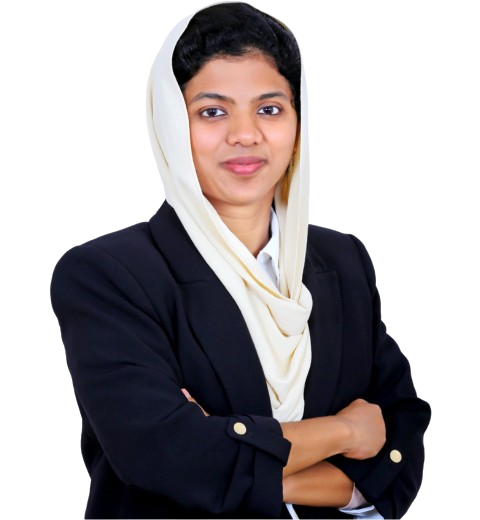
Ramadan brings a meaningful shift in daily routines — especially for urban professionals balancing fasting, work responsibilities, family life, and spiritual commitments. Shortened working hours can be beneficial, but fatigue, dehydration, disrupted sleep, and altered meal timings may affect productivity and focus.
At LLH Hospital, Abu Dhabi, our health experts emphasize that with the right strategies, professionals can maintain performance, energy, and well-being throughout the holy month. Here is a practical guide to achieving a healthy work-life-fast balance during Ramadan.
Understand Your Body’s Energy Cycles
Fasting changes how your body uses energy. Blood sugar levels fluctuate, hydration decreases during the day, and sleep patterns shift due to late-night prayers and early Suhoor.
Most people experience:
- Peak alertness in the morning after Suhoor
- Reduced concentration in the afternoon
- Fatigue late in the day before Iftar
Plan demanding tasks during your highest energy window — usually the first half of the workday.
Optimize Your Suhoor for Sustained Productivity
A balanced Suhoor helps prevent energy crashes and mental fog during working hours.
Ideal Suhoor Choices for Professionals
- Complex carbohydrates (oats, whole grains) for slow energy release
- Protein sources (eggs, yogurt, nuts) for satiety
- Fruits rich in potassium to support hydration
- Plenty of water
Avoid sugary foods and excessive caffeine, which can lead to energy crashes and increased thirst.
Structure Your Workday Strategically
Shorter working hours require smarter planning rather than faster work.
Productivity tips:
- Prioritize critical tasks early in the day
- Break projects into smaller, manageable steps
- Schedule meetings in the morning when possible
- Use task lists to maintain focus
- Avoid multitasking, which drains mental energy
Clear planning reduces stress and prevents last-minute fatigue.
Manage Sleep for Mental Clarity
Sleep disruption is one of the biggest challenges during Ramadan. Late Iftar, night prayers, and early Suhoor can reduce total sleep time.
Healthy sleep habits:
- Take short power naps (20–30 minutes) if possible
- Maintain a consistent sleep schedule
- Limit screen exposure before bedtime
- Keep your sleeping environment cool and dark
Quality sleep supports memory, decision-making, and mood stability at work.
Stay Hydrated Between Iftar and Suhoor
Even mild dehydration can impair concentration and productivity.
Smart hydration strategies:
- Drink water regularly throughout the evening
- Include soups and hydrating fruits
- Limit caffeinated beverages
- Avoid very salty foods
Proper hydration helps prevent headaches, fatigue, and irritability.
Maintain Light Physical Activity
While intense exercise during fasting hours is not advisable, gentle movement improves circulation and reduces stiffness from long desk hours.
- Short walks after Iftar
- Light stretching
- Desk mobility exercises
Physical activity also promotes better sleep quality.
Protect Your Mental Well-Being
Balancing work and fasting can increase stress, especially in fast-paced urban environments.
Support your mental health by:
- Practicing mindfulness or prayer breaks
- Setting realistic expectations
- Communicating workload concerns early
- Avoiding overcommitment during Ramadan
Remember, productivity is about effectiveness — not exhaustion.
Create a Supportive Work Environment
Employers and teams often adjust schedules during Ramadan. Make the most of these accommodations.
- Use flexible hours wisely
- Coordinate with colleagues for task coverage
- Schedule collaborative work when everyone is most alert
A supportive workplace improves both morale and performance.
Frequently Asked Questions (FAQs)
1. How can I stay focused at work while fasting?
Eat a balanced Suhoor, prioritize tasks early, stay hydrated at night, and ensure adequate sleep.
2. Is it normal to feel less productive during Ramadan?
Yes. Energy fluctuations are natural, but proper planning can minimize productivity loss.
3. Should I consume caffeine to stay alert?
Moderate intake after Iftar is acceptable, but excessive caffeine can disrupt sleep and increase dehydration.
4. Are power naps beneficial during Ramadan?
Short naps can significantly improve alertness and cognitive performance.
5. When is the best time to exercise during Ramadan for professionals?
Light exercise after Iftar is generally safest and most comfortable.
Prioritize Your Health This Ramadan
If fatigue, dizziness, sleep problems, or existing medical conditions interfere with your daily functioning, professional medical advice can help you maintain both productivity and well-being.
At LLH Hospital, Abu Dhabi, our physicians in Family Medicine and General Medicine Departments provides comprehensive health assessments and detailed consultations to support you throughout Ramadan.